Mobile Phone Chargers are more than just a necessity; they are an essential component that has transformed how we power our devices. From their bulky beginnings to today’s sleek, efficient designs, chargers have evolved significantly, introducing advanced technologies that cater to our fast-paced lifestyles. The rise of various charging methods, including wired, wireless, and solar options, has enhanced user convenience while also demonstrating the push towards sustainability in tech.
With the right mobile phone charger, you can not only improve your device’s performance but also extend its lifespan, making this topic crucial for every device owner.
As we delve deeper into the world of mobile phone chargers, we will explore their evolution, the importance of choosing the right one, and the environmental impacts associated with them. Understanding charging standards, innovations, and safety considerations will empower you to make informed decisions that enhance your mobile experience.
The Evolution of Mobile Phone Chargers
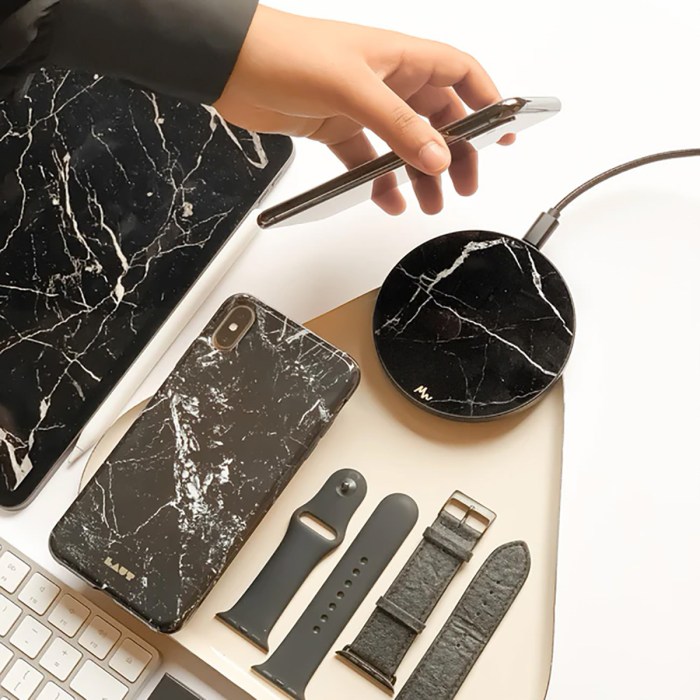
Mobile phone chargers have seen a remarkable transformation since they first entered the market alongside the earliest mobile devices. Initially, chargers were bulky, with large transformers and thick cables, designed to handle the limited battery technology of the time. As mobile technology advanced, so too did the chargers, evolving to meet both the aesthetic and functional demands of users. This evolution has not only enhanced user experience but has also made our charging routines more efficient and convenient.The introduction of various charging technologies has played a pivotal role in this evolution.
In the early days, chargers operated on simple direct current (DC) methods, which were slow and inefficient. The introduction of smart chargers, which could communicate with the device to optimize charging speed and efficiency, marked a significant advancement. Technologies like Qualcomm’s Quick Charge and USB Power Delivery have revolutionized charging, allowing users to rapidly power their devices without compromising battery health.
As a result, users now enjoy a seamless charging experience, where they can quickly charge their devices while on the go.Another significant change has been the shift from bulky designs to more compact and efficient models. Modern chargers are much smaller, often fitting comfortably in a pocket or purse. The rise of USB-C connectors has allowed for universal compatibility, making it easier for users to carry a single charger for multiple devices.
This transition not only reduces the physical footprint of chargers but also minimizes electronic waste, contributing to a more sustainable approach to mobile technology.
The Importance of Choosing the Right Mobile Phone Charger
Selecting the right mobile phone charger is crucial for ensuring optimal performance and longevity of your device. Various factors come into play when choosing a charger, and understanding these can help avoid potential issues. The first consideration is compatibility, ensuring that the charger matches the specifications of your device regarding voltage and amperage. Mismatching can result in slower charging or, worse, damage to the battery.There are several types of chargers available, each serving different needs:
- Wall Chargers: These are the most common chargers, typically used at home or in the office. They plug directly into a wall socket and are designed for fast charging.
- Portable Chargers: Also known as power banks, these chargers provide convenience on the go, allowing users to charge devices without needing a wall outlet.
- Car Chargers: Ideal for road trips, car chargers plug into the vehicle’s power outlet, enabling charging while traveling.
Choosing the wrong charger can lead to various consequences, such as slower charging times or even overheating, which can degrade the battery over time. It’s essential to invest in high-quality chargers that meet both safety and performance standards to ensure your device remains in top condition.
An Overview of Charging Standards and Protocols in Mobile Technology, Mobile Phone Chargers
Understanding charging standards and protocols is key to navigating the mobile charging landscape. Standards such as USB Power Delivery (USB PD) and Qualcomm’s Quick Charge have made significant impacts on charging efficiency and user experience. USB PD, for instance, allows for higher power levels to be delivered through USB connections, enabling faster charging of larger devices such as laptops, alongside smartphones.
This adaptability of USB PD promotes a more versatile charging ecosystem where one charger can effectively power multiple devices.Comparison of different charging protocols illustrates their efficiency and features. Quick Charge technology provides rapid charging for compatible devices, significantly reducing charge times. In contrast, standard USB charging can be slower, although it is compatible with a broader range of devices. The emergence of these protocols has encouraged manufacturers to adopt them to enhance their products’ appeal and functionality.Manufacturers play a vital role in the adoption and implementation of these standards.
By integrating modern charging technologies into their devices, they not only improve the charging experience but also contribute to a more unified ecosystem. This synergy among various manufacturers fosters a competitive environment that drives innovation, ultimately benefiting consumers.
The Environmental Impact of Mobile Phone Chargers
As the production and disposal of mobile phone chargers continue to rise, so too do environmental concerns. The manufacturing process for chargers often entails the use of hazardous materials, contributing to pollution and resource depletion. Moreover, the rapid turnover of technology leads to an increase in electronic waste, or e-waste, which poses significant environmental challenges.E-waste is a growing global issue, with millions of tons generated each year.
Mobile chargers, often discarded when devices are upgraded or replaced, contribute to this problem. Improper disposal can lead to harmful substances leaching into the environment, adversely affecting ecosystems and human health. To combat these issues, manufacturers are increasingly adopting sustainable practices in both the production and recycling of chargers. For instance, many companies are now emphasizing the use of recyclable materials and implementing programs for proper disposal of old chargers.
These efforts not only mitigate environmental impact but also promote a culture of sustainability within the tech industry.
Innovations in Mobile Phone Charging Technology
The field of mobile phone charging technology is witnessing exciting innovations, particularly with the advent of wireless charging and solar chargers. Wireless charging eliminates the need for cables, providing users with a convenient and clutter-free charging experience. This technology relies on electromagnetic fields to transfer energy between the charger and the device, making it a popular choice for many modern smartphones.Solar chargers represent another innovative solution, harnessing sunlight to power devices.
While not as fast as traditional charging methods, solar chargers are incredibly useful for outdoor enthusiasts or in areas with limited access to electricity. The eco-friendliness of solar energy also appeals to environmentally conscious users.When comparing these innovations to traditional charging methods, convenience and efficiency come to the forefront. Wireless charging pads allow for easy multi-device charging without the hassle of plugging and unplugging cables, while solar chargers offer a sustainable way to keep devices powered during outdoor activities.
Looking ahead, future trends in charger technology may include even faster charging solutions, integration with smart home systems, and enhanced energy efficiency, further transforming the way we power our devices.
The Challenges of Charger Compatibility Across Different Devices
Charger compatibility remains a significant challenge for users, often leading to frustration and confusion. Different manufacturers and device types utilize various charging ports and technologies, making it difficult for users to find a suitable charger. This inconsistency often results in a drawer full of chargers that may not serve any purpose.Common practices such as proprietary charging standards can exacerbate compatibility issues.
Some manufacturers design chargers specifically for their devices, limiting the ability to use third-party options. This can lead to higher costs and inconvenience for users who must purchase multiple chargers.To simplify the charging experience, potential solutions include standardizing charging ports across devices, as seen with the widespread adoption of USB-C. Additionally, encouraging manufacturers to adopt universal charging standards can enhance compatibility and convenience, allowing users to rely on a single charger for various devices.
Safety Considerations When Using Mobile Phone Chargers
Safety is a critical consideration when using mobile phone chargers. Improper use of chargers can lead to various hazards, including overheating, electrical shock, and even fires. It’s essential to be vigilant about the quality of chargers and how they are used to prevent accidents.Guidelines for safe charger usage include avoiding the use of counterfeit chargers, which may not meet safety standards.
Always ensure that chargers are compatible with your device and check for any signs of wear or damage before use. Proper maintenance, such as keeping the charging port clean and ensuring cables are not frayed, can also contribute to safety.Using certified chargers is vital for preventing accidents. Certification from recognized standards ensures that the charger has undergone rigorous testing for safety and performance.
By choosing certified chargers, users can rest assured that they are minimizing the risks associated with charging their devices.
The Future of Mobile Phone Chargers in a Rapidly Evolving Tech Landscape
Advancements in technology are shaping the future of mobile phone chargers, influencing their design and functionality. As devices become more sophisticated, chargers must adapt to meet new demands. Innovations such as faster charging capabilities, energy-efficient designs, and smart technology integration are on the horizon. Potential innovations include chargers that can intelligently adjust their output based on the device’s needs, maximizing efficiency and minimizing battery wear.
Furthermore, as the Internet of Things (IoT) continues to expand, chargers may become integrated with other smart devices, creating a seamless ecosystem for energy management.The integration of chargers with smart home systems could also emerge, allowing users to monitor and control their charging habits remotely. This not only provides convenience but also aligns with growing sustainability trends by optimizing energy usage.
As technology continues to evolve, the future of mobile phone chargers promises to be innovative, efficient, and user-friendly, paving the way for an even more connected world.
Concluding Remarks: Mobile Phone Chargers
In conclusion, Mobile Phone Chargers play a pivotal role in our daily lives, shaping how we interact with our devices. As technology continues to advance, so will the chargers that power them, leading to more innovative solutions that enhance convenience and efficiency. By staying informed about charger compatibility, safety, and environmental practices, you can ensure that your charging experience is not only seamless but also sustainable.
Embrace the future of mobile charging and enjoy the benefits of being connected anytime, anywhere.
Learn about more about the process of Berikut 30 produk untuk kategori “Shop Near Me” (produk yang sering dicari di Google dengan kata near me): in the field.
Do not overlook explore the latest data about Office Space for Rent.
In this topic, you find that Retail Store Property is very useful.