Coffee and Beverages are not just drinks; they are a cultural phenomenon that connects people and traditions across the globe. From the rich, aromatic beans harvested in lush coffee plantations to the innovative specialty shops shaping local economies, the journey of coffee is steeped in history and significance. As we explore this fascinating world, we will uncover the science behind brewing the perfect cup, the diverse alternatives for those seeking a caffeine break, and the sustainable practices that protect our planet while enhancing our coffee experience.
Join us as we delve into the intricacies of brewing methods, discover enchanting coffee rituals from different cultures, and understand how coffee influences productivity and creativity, all while keeping an eye on future trends in the beverage landscape.
The Origins of Coffee and Its Cultural Significance
Coffee has a captivating history that dates back centuries, beginning in the ancient coffee forests of Ethiopia. According to legend, a goat herder named Kaldi discovered coffee when he noticed that his goats became more energetic after eating the berries from a particular tree. This discovery led to coffee’s introduction to the Arabian Peninsula, where it became a popular beverage in Yemen by the 15th century.
By the 16th century, coffee had spread to Persia, Egypt, and Turkey, where it was enjoyed in homes and public coffeehouses known as qahvehkhaneh. Coffeehouses quickly became social hubs where people gathered to discuss news, share ideas, and enjoy music and games. As trade routes expanded, coffee made its way to Europe in the 17th century, transforming social life and giving rise to the coffeehouse culture we know today.
The first European coffeehouse opened in Venice in 1645, and soon after, establishments emerged in major cities like London and Paris. In the 18th century, coffee cultivation began to spread to the West Indies, Central and South America, and Southeast Asia, establishing coffee plantations that fueled the global demand for the beverage. By the 19th century, coffee had become an integral part of daily life for millions, leading to the establishment of international coffee trade networks.
Today, coffee is one of the most widely consumed beverages in the world, producing a significant impact on global economies and cultures alike.
How Coffee Has Shaped Different Cultures Around the World
Coffee transcends mere consumption; it embodies cultural identity and traditions across the globe. In Italy, coffee is often consumed as an espresso, served quickly at the bar, and is part of a fast-paced lifestyle. The tradition of the Italian espresso ritual is a testament to the country’s dedication to quality and craftsmanship in coffee brewing.In Turkey, coffee is an art form that involves brewing finely ground coffee with water and sugar in a special pot called a cezve.
This preparation is steeped in tradition and is often served with a side of Turkish delights, reflecting the deep-rooted cultural practices surrounding hospitality and social gatherings.Latin America has its own unique coffee culture, where coffee is often enjoyed alongside a sweet pastry in the morning. Countries like Colombia and Brazil have established their own coffee-growing traditions, with family farms passed down through generations, emphasizing community and heritage.In Ethiopia, coffee ceremonies are an essential part of social life.
The preparation is elaborate, with the coffee being roasted, ground, and brewed in front of guests. This practice symbolizes respect and friendship, showcasing how coffee brings people together in a communal and ceremonial way.Other notable coffee cultures include:
- Japan: Known for its meticulous pour-over technique, coffee is often brewed with precision, highlighting flavors and aromas.
- Vietnam: Famous for its iced coffee (cà phê sữa đá) brewed with sweetened condensed milk and served over ice.
- Sweden: The “fika” tradition emphasizes taking breaks to enjoy coffee with pastries, promoting work-life balance.
- France: Café culture encourages long conversations over coffee in charming street-side cafés.
The Science Behind Brewing the Perfect Cup of Coffee: Coffee And Beverages
Understanding the chemistry behind coffee brewing is pivotal for achieving the perfect cup. The flavor of coffee is influenced by several factors, including the type of bean, the grind size, water temperature, and brewing time. Coffee beans contain various compounds that contribute to flavor, including oils, acids, and sugars, which are extracted during brewing.The extraction process is governed by solubility and diffusion, where water interacts with coffee grounds.
Too high a temperature or too long of a brewing time can lead to over-extraction, resulting in bitterness. Conversely, under-extraction may lead to a sour taste, indicating that the coffee hasn’t released its full flavor potential. The goal is to find the ideal balance, often achieved through experimentation. One critical aspect of brewing is the grind size; a finer grind increases the surface area for extraction, while a coarser grind slows it down.
This highlights the importance of adjusting grind size based on the brewing method being used.
Find out further about the benefits of Industrial Property that can provide significant benefits.
Comparison of Different Brewing Methods
There are several brewing methods, each producing distinct flavor profiles due to differences in extraction time and techniques. Let’s explore the impact of various brewing methods on taste:
- Drip Coffee: A popular method that allows water to pass through coffee grounds, resulting in a clean, smooth flavor. Ideal for those who enjoy a milder taste.
- French Press: This method uses immersion brewing, allowing coffee grounds to steep in hot water, leading to a full-bodied and rich flavor due to the oils remaining in the final brew.
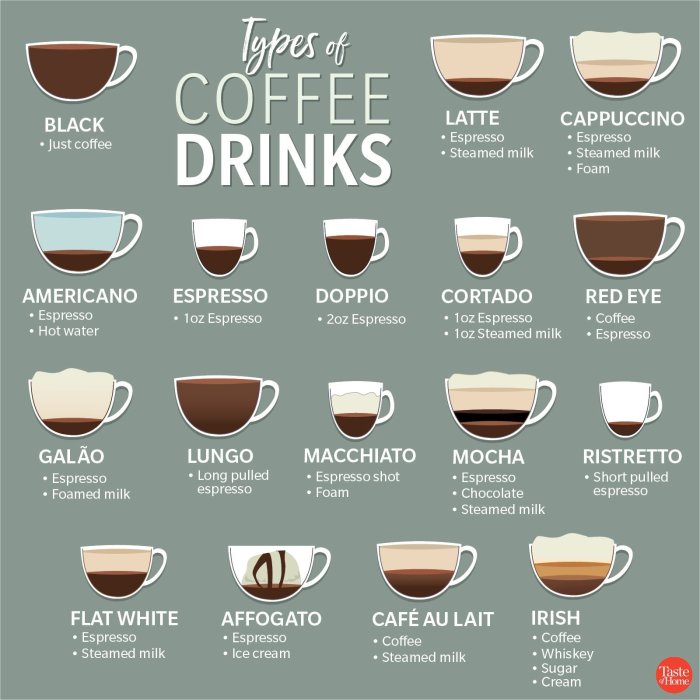
- Espresso: Created by forcing hot water through finely-ground coffee under pressure, it’s concentrated and robust, forming the base for various coffee beverages.
- Cold Brew: Coffee grounds are steeped in cold water for an extended period, producing a smooth, less acidic flavor, perfect for those sensitive to acidity.
| Brewing Method | Time Required | Equipment Needed | Flavor Notes |
|---|---|---|---|
| Drip Coffee | 5-10 minutes | Coffee maker | Smooth, mild |
| French Press | 4 minutes | French press | Rich, full-bodied |
| Espresso | 25-30 seconds | Espresso machine | Concentrated, bold |
| Cold Brew | 12-24 hours | Jar or cold brew maker | Smooth, less acidic |
Exploring Alternative Beverages for Coffee Lovers
For those looking to reduce caffeine intake without sacrificing flavor, various coffee alternatives provide delightful options. Ingredients like chicory, matcha, and herbal teas can mimic the deep, rich flavors of coffee while offering unique health benefits. Chicory root, often roasted and ground into a coffee substitute, provides a somewhat nutty flavor and is caffeine-free. Matcha, a powdered green tea, offers a gentle caffeine boost along with antioxidants, promoting alertness without the jitters associated with coffee.
Herbal teas, such as rooibos or dandelion tea, provide caffeine-free alternatives that can be enjoyed hot or cold.The benefits of these alternatives extend beyond caffeine reduction. Many plant-based options contain antioxidants and other nutrients that contribute to overall wellness, making them attractive to health-conscious individuals.
Mimicking the Taste and Experience of Coffee
These alternatives can closely replicate the taste and experience of coffee through various preparations. Chicory, when brewed correctly, can create a bold, coffee-like flavor, often described as earthy and slightly sweet. Matcha, while not coffee-like in flavor, provides a rich, creamy texture when frothed with milk, offering a unique experience reminiscent of a latte.Herbal teas can be infused with spices such as cinnamon or ginger to create warm, comforting beverages.
Additionally, blending these alternatives with nut milks can enhance flavor profiles, making them pleasing substitutes for traditional coffee drinks.Unique recipes for popular coffee alternatives include:
- Chicory Coffee: Roast and brew chicory root for a rich, nutty flavor.
- Matcha Latte: Whisk matcha powder with hot water, then mix in steamed milk for a creamy finish.
- Herbal Chai: Brew rooibos tea with spices like cardamom and ginger for a warming beverage.
- Dandelion Root Coffee: Roast dandelion root and brew for a caffeine-free, earthy alternative.
The Rise of Specialty Coffee Shops and Their Impact on Local Economies
The past decade has witnessed a significant rise in specialty coffee shops, which distinguish themselves from traditional cafes through their focus on quality, sustainability, and unique brewing methods. These establishments prioritize sourcing high-quality beans, often from specific regions, and emphasize artisanal preparation techniques. Specialty coffee shops often curate their menus to reflect the nuances of different coffee varieties, offering customers the chance to explore flavors from around the world.
Discover how Rental Houses has transformed methods in this topic.
Baristas in these shops are frequently trained to provide insights into the brewing process and the origins of the coffee, enhancing the overall consumer experience.The emergence of specialty coffee shops has had profound economic benefits for local communities. They create jobs, contribute to the local economy, and foster a sense of community by providing spaces for social interaction. Additionally, they often engage in ethical sourcing practices, supporting farmers and promoting sustainable coffee production.
Highlighting Successful Specialty Coffee Shops
Many specialty coffee shops have carved out a niche for themselves, offering unique experiences that set them apart. Their innovative approaches often include direct trade relationships with farmers and environmentally conscious practices.
| Coffee Shop Name | Location | Unique Offerings | Community Impact |
|---|---|---|---|
| Blue Bottle Coffee | Oakland, CA | Freshly roasted single-origin coffees | Supports local farmers through direct trade |
| Stumptown Coffee Roasters | Portland, OR | Cold brew on tap and unique blends | Invests in sustainable farming practices |
| Intelligentsia Coffee | Chicago, IL | Seasonal blends and coffee classes | Promotes a fair payment model for farmers |
| Onyx Coffee Lab | Rogers, AR | Innovative brewing techniques and flavor profiles | Engages in community education about coffee |
The Role of Sustainability in Coffee Production
Sustainable coffee farming faces numerous challenges due to climate change, deforestation, and the need for increased production to meet global demand. Farmers often struggle with fluctuating prices, pests, and diseases that threaten coffee crops. Sustainable practices, such as shade-grown coffee and organic farming, can help mitigate these challenges while benefiting the environment.Shade-grown coffee supports biodiversity by providing habitats for various species and reducing the need for chemical pesticides and fertilizers.
These practices not only protect the environment but also enhance the quality of the coffee by encouraging natural ecosystems.
Influencing Sustainable Practices in the Coffee Industry
Consumer choices play a crucial role in shaping sustainable practices within the coffee industry. By choosing to purchase certified organic or Fair Trade coffee, consumers can support farmers who prioritize ethical and sustainable practices. This demand encourages more producers to adopt environmentally-friendly methods, ultimately benefiting the planet and the farmers’ livelihoods.Education and awareness around sustainable coffee practices have grown, with consumers increasingly seeking transparency about the origins of their coffee.
Initiatives such as coffee cupping events and farm tours enable consumers to connect with producers, deepening their appreciation for the efforts behind their morning brew.
- Fair Trade Certified
- Rainforest Alliance Certified
- Organic Certified
- Bird-Friendly Certified
The Influence of Coffee on Productivity and Creativity
Caffeine, the primary psychoactive ingredient in coffee, significantly affects brain function and productivity. It works by blocking adenosine, a neurotransmitter that promotes sleep, thereby increasing alertness and concentration. This stimulating effect makes coffee a popular choice among those needing a productivity boost, especially in work or study settings.The timing of coffee consumption can also impact its effectiveness. Consuming coffee strategically, such as during mid-morning slumps, can enhance focus and energy levels, making it a valuable tool for maintaining productivity throughout the day.
Studies Linking Coffee Consumption to Increased Creativity and Focus
Numerous studies have explored the relationship between coffee consumption, creativity, and focus. Research has shown that moderate coffee intake can enhance cognitive flexibility and improve problem-solving skills. For example, a study published in the journalPsychopharmacology* found that participants who consumed caffeine performed better on creative tasks than those who did not. Another research article indicated that caffeine enhances divergent thinking—the ability to generate multiple solutions to a problem—contributing to greater creativity.
You also will receive the benefits of visiting Smart Homes today.
| Study | Findings | Sample Size | Implications |
|---|---|---|---|
| Psychopharmacology Study | Caffeine improves creative problem-solving | 200 | Suggests moderate coffee enhances creativity |
| Journal of Experimental Psychology | Caffeine increases attention and focus | 150 | Supports coffee as a productivity aid |
| Food Quality and Preference | Caffeine promotes positive mood and motivation | 100 | Highlights emotional benefits of coffee |
| Nature Neuroscience | Caffeine enhances memory and recall | 250 | Indicates coffee’s role in cognitive enhancement |
Coffee Pairings: Enhancing Your Beverage Experience
Pairing coffee with food enhances the overall flavor experience, creating harmonious taste combinations. The art of pairing involves understanding how the flavors of coffee interact with various food items, allowing you to enjoy each sip and bite to its fullest.For instance, light roasts often exhibit fruity and floral notes, making them a great match for breakfast items like pancakes or fruit tarts.
Medium roasts tend to have balanced flavors, complementing pastries and chocolate, while dark roasts are robust enough to stand up to hearty foods like grilled meats or bold cheeses.
Popular Flavor Pairings with Coffee, Coffee and Beverages
Popular flavor pairings can elevate your coffee experience, allowing you to explore different taste sensations. Some coffee varieties shine with specific accompaniments, enhancing their natural flavors.
- Light Roast: Pairs well with lemon scones and berry muffins.
- Medium Roast: Complements chocolate croissants and hazelnut biscotti.
- Dark Roast: Matches with cheddar cheese and spiced nuts.
- Cold Brew: Enjoyed with cinnamon rolls and caramel desserts.
The Future of Coffee and Beverage Trends
Emerging trends in the coffee industry reflect evolving consumer preferences, with a growing emphasis on quality and sustainability. Specialty coffee, innovative brewing techniques, and unique flavor profiles are at the forefront of these trends, appealing to the discerning palates of modern consumers.Additionally, the rise of plant-based beverages and non-dairy milk alternatives has created new opportunities for coffee creativity. Consumers are increasingly seeking options that align with their values, whether related to health, sustainability, or ethical sourcing.
Technology Shaping the Future of Coffee Preparation and Consumption
Technology plays a pivotal role in the future of coffee preparation and consumption. From smart coffee machines that allow users to customize their brews via smartphone apps to advances in coffee farming technology that enhance sustainability, innovation is shaping the industry.The use of data analytics in coffee retail helps businesses understand consumer preferences, enabling them to tailor offerings and improve customer experiences.
Additionally, the rise of delivery services and subscription models has changed how consumers access their favorite beverages, providing convenience and variety.
| Current Trend | Potential Impact | Examples of Leading Companies |
|---|---|---|
| Plant-Based Alternatives | Increase in demand for non-dairy options | Oatly, Almond Breeze |
| Direct Trade Practices | Enhances farmer livelihoods and sustainability | Counter Culture Coffee, Coava Coffee |
| Smart Brewing Technology | Personalized brewing experiences for consumers | Breville, Smarter Coffee |
| Subscription Services | Convenient access to curated coffee options | Coffee Crate, Trade Coffee |
Final Thoughts
In conclusion, the world of Coffee and Beverages is as vibrant and varied as the flavors they offer. Whether you’re a coffee enthusiast seeking the perfect brew, someone exploring alternatives, or a supporter of sustainable practices, there’s always something new to discover. As specialty coffee shops rise and consumer preferences evolve, the future looks promising for coffee lovers everywhere. So, let’s raise a cup to the rich heritage and exciting innovations that continue to shape our beverage experience!