Universal Life Insurance stands at the forefront of modern financial planning by providing an adaptable solution that meets your evolving needs. With the ability to adjust premiums and death benefits, it offers a unique blend of flexibility and security. As your life circumstances change, so can your coverage, enabling you to maintain peace of mind while building cash value over time.
This innovative insurance product sets itself apart from traditional policies by allowing you to navigate financial uncertainties with ease. Whether you’re looking to save for future goals or protect your loved ones, Universal Life Insurance is designed to grow with you, making it an exceptional choice for today’s dynamic world.
Universal Life Insurance as a Flexible Financial Tool
Universal Life Insurance (ULI) is not just a safety net for your loved ones; it is also a versatile financial instrument designed to adapt to your evolving needs. Offering policyholders a unique blend of life coverage and savings potential, ULI stands out as a solution tailored for those seeking both protection and investment opportunities.One of the key features of universal life insurance is its inherent flexibility in premium payments and death benefits.
Unlike traditional whole life insurance, where premiums are fixed, ULI allows policyholders to adjust their premium payments based on their current financial situation. This means that during years of financial strain, you can reduce your premium payments, and during more prosperous times, you can pay more to increase your policy’s cash value. Additionally, the death benefit can be modified according to changing family circumstances or financial needs, thereby ensuring that your policy remains relevant throughout different life stages.
Cash Value Accumulation and Its Distinction from Whole Life Insurance
Understanding the cash value aspect of universal life insurance is crucial for maximizing its benefits. The cash value of a ULI policy accumulates based on a portion of the premiums paid, compounded at a declared interest rate. This is markedly different from whole life insurance, which guarantees a specific cash value growth based on a fixed schedule. ULI provides greater potential for growth, as the interest rate can vary, allowing for potential increases in cash value depending on market conditions.The significance of cash value accumulation extends beyond mere savings; it serves as a financial resource that can be accessed during your lifetime.
Policyholders can withdraw from or borrow against the cash value, providing liquidity in times of need. However, it’s essential to note that loans and withdrawals can reduce the death benefit and cash value if not paid back, highlighting the importance of strategic financial planning.
Adjusting Coverage as Life Circumstances Change
Life is unpredictable, and so are your insurance needs. Universal life insurance offers the opportunity to adjust your coverage as your circumstances evolve. Whether it’s a new job, marriage, or the birth of a child, your insurance policy can be tailored to fit these changes seamlessly.Factors that might necessitate adjusting your coverage include:
- Increased Financial Obligations: As you acquire assets or take on new debts, such as a mortgage or education expenses, you may need to increase your death benefit to ensure your family’s financial security.
- Life Milestones: Events like marriage or the birth of a child often lead to a reevaluation of your coverage needs, allowing you to provide adequate protection for your growing family.
- Retirement Planning: As you approach retirement, you may want to shift your focus from protection to wealth accumulation and can adjust your policy accordingly.
Each of these adjustments ensures that your universal life insurance policy remains aligned with your life goals and financial situation, offering peace of mind that your loved ones are protected no matter how life unfolds.
Universal Life Insurance: A flexible financial tool designed to adapt to your life circumstances and financial goals, providing both coverage and cash value accumulation.
Key Features of Universal Life Insurance Policies
Universal Life Insurance offers a unique blend of flexibility and lifetime protection, making it a compelling choice for those seeking life insurance tailored to their financial needs. Unlike traditional life insurance policies, universal life policies allow policyholders to adjust their premiums and death benefits over time, accommodating changes in financial circumstances and goals. This adaptability is one of the core components that set universal life insurance apart from other types.
Core Components of Universal Life Insurance
Universal life insurance is distinguished by several fundamental components that enhance its appeal. The main features include:
- Flexible Premium Payments: Policyholders can choose how much and when to pay their premiums, allowing them to modify their contributions based on their financial situation.
- Adjustable Death Benefits: The death benefit can be increased or decreased, providing the ability to align coverage with changing life circumstances.
- Cash Value Accumulation: A portion of the premium goes into a cash value account, which can grow over time and is accessible for the policyholder’s needs.
The flexibility in premium payments and death benefits is critical for adapting to life’s unpredictability, ensuring that policyholders can maintain adequate coverage even during financial fluctuations.
Interest Rates and Cash Value Growth
Interest rates play a pivotal role in determining the cash value growth of universal life insurance policies. The cash value accumulates based on a credited interest rate, which can fluctuate according to market performance and the insurer’s financial returns. Here are key aspects regarding interest rates and cash value:
- Variable Interest Rates: The interest rate is often linked to a financial index, which can result in varying cash value growth that reflects market conditions.
- Minimum Interest Guarantees: Many policies provide a minimum interest rate guarantee, ensuring that cash value does not decline below a certain threshold even in low-interest environments.
- Impact of Low Rates: In periods of low-interest rates, cash value growth may slow down, influencing the overall performance of the policy.
Understanding the effect of interest rates on cash value is essential for maximizing the benefits of a universal life insurance policy.
Partial Withdrawals and Policy Loans
Universal life insurance policies offer the option for partial withdrawals and policy loans, which can provide liquidity during times of need. However, it’s vital to comprehend the implications these options may have on the overall policy.Key considerations include:
- Partial Withdrawals: While policyholders can withdraw funds from the cash value, this reduces the death benefit and may incur fees, impacting the policy’s overall value.
- Policy Loans: Borrowing against the cash value may provide necessary funds without incurring immediate tax consequences; however, any unpaid loan balance will reduce the death benefit.
- Impact on Premiums: Frequent withdrawals or loans may necessitate higher premiums to maintain the policy’s viability and ensure continued coverage.
Being aware of how withdrawals and loans affect the policy is crucial for managing long-term financial strategies and ensuring sustainable coverage.
Advantages of Choosing Universal Life Insurance
Universal life insurance stands out among life insurance options due to its unique blend of flexibility, savings potential, and comprehensive coverage. Unlike term life insurance, which provides a death benefit for a specified period, or whole life insurance, which offers fixed premiums and benefits, universal life insurance combines elements of both while allowing for adjustments based on individual needs and circumstances.The primary benefits of universal life insurance include its adaptable premium payments, which can be adjusted based on the policyholder’s financial situation, and its cash value accumulation, which can grow over time.
This flexibility is particularly advantageous during economic fluctuations, providing policyholders the ability to manage their finances effectively without losing coverage.
Find out further about the benefits of Smart Thermostat Energy Saver that can provide significant benefits.
Flexibility in Premium Payments
One of the key features of universal life insurance is the flexibility in premium payments. This allows policyholders to adjust their payments according to their financial capacity, which is essential during times of economic uncertainty. The ability to pay lower premiums during challenging financial periods means policyholders can maintain their coverage without undue strain on their finances.
- Policyholders can increase or decrease their premium payments as needed, making this insurance adaptable to changes in income or expenses.
- Accumulated cash value can be used to pay premiums, providing a safety net in times when cash flow is limited.
- The option to skip payments without losing coverage is available, as long as there is sufficient cash value in the policy.
Potential Tax Benefits
Universal life insurance also offers significant tax advantages that can enhance the overall financial strategy of policyholders. The cash value growth in a universal life insurance policy is generally tax-deferred, meaning policyholders do not incur taxes on the growth while the money remains within the policy.
“Tax-deferred growth means your investment can compound over time, increasing the overall value of your policy.”
The potential tax benefits include:
- The death benefit is typically paid out tax-free to beneficiaries, providing them with financial support without the burden of tax liabilities.
- Policyholders can access the cash value through loans or withdrawals, often without immediate tax consequences, as long as the policy remains in force.
- Contributions made to the policy can be structured in a way that may provide tax advantages, depending on individual financial situations and applicable tax laws.
Factors Influencing the Cost of Universal Life Insurance
When considering a universal life insurance policy, understanding the factors that influence the cost is crucial for making informed decisions. Insurance companies utilize various metrics and data to determine the premiums charged for coverage. This allows them to assess risk and ensure that policyholders receive adequate protection tailored to their individual situations.A range of critical factors impacts the pricing of universal life insurance, including the age of the insured, health status, and lifestyle choices.
Younger individuals often pay lower premiums due to their longer life expectancy and lower associated health risks. Conversely, as people age, their premiums generally increase. Health status is equally significant; individuals with pre-existing conditions may face higher costs. Lifestyle choices, such as smoking or engaging in hazardous activities, can also lead to increased premiums, as they elevate the risk profile for insurers.
Impact of Age, Health Status, and Lifestyle Choices on Premiums
The interplay of age, health status, and lifestyle choices plays a vital role in determining the cost of universal life insurance premiums. Here’s how each factor contributes:
- Age: As one ages, the likelihood of health-related issues rises, leading to increased premiums. For example, a 30-year-old might pay significantly less than a 50-year-old for the same coverage amount.
- Health Status: Individuals with chronic illnesses or a history of serious medical conditions may see their premiums elevated due to the higher risk of claims. For instance, a person diagnosed with diabetes may pay more than someone who is in excellent health.
- Lifestyle Choices: Choices such as smoking can have a dramatic effect on premiums. Smokers can pay up to double the premiums compared to non-smokers. Additionally, engaging in risky hobbies, like skydiving or scuba diving, can also result in higher rates.
Understanding these factors helps individuals make informed decisions and take proactive steps to potentially lower their insurance costs. Insurance companies also consider additional options that policyholders may choose to include in their policies.
Effect of Riders and Additional Coverage Options on Policy Pricing
Riders and additional coverage options can enhance a universal life insurance policy but often come with increased costs. These features can provide extra benefits and flexibility, impacting the overall premium structure. When opting for different riders, consider the following:
- Accelerated Death Benefit Rider: This allows the insured to access a portion of the death benefit while still alive in case of terminal illness. While it adds valuable coverage, it may also increase the premium.
- Guaranteed Insurability Rider: This option enables policyholders to purchase additional coverage at predetermined intervals without needing to provide medical evidence. While it offers future security, it can lead to higher premiums.
- Accidental Death Benefit Rider: This rider pays an additional benefit if the insured dies due to an accident. Though it adds a layer of protection, it can also contribute to a higher cost of coverage.
In summary, the decision to include riders and additional coverage options should be weighed carefully against the potential increase in premiums.
Understanding these various factors can empower consumers to navigate their universal life insurance options effectively and select policies that align with their financial goals.
Common Misconceptions About Universal Life Insurance
Many individuals considering life insurance often encounter universal life insurance, but misconceptions can cloud their understanding. It’s essential to clarify these myths to make informed decisions about financial security. Universal life insurance offers flexibility and an investment component that distinguishes it from other products, yet various misunderstandings can lead to confusion regarding its benefits and suitability.
Understanding Differences Between Universal Life Insurance and Other Life Insurance Products
Universal life insurance is frequently confused with other life insurance options, particularly variable life insurance. Understanding the fundamental differences can help consumers determine which policy best fits their needs. Universal life insurance is characterized by its flexible premiums and adjustable death benefit, whereas variable life insurance invests premiums in various investment options, such as stocks or bonds, which can lead to fluctuating cash values and death benefits.Key differences include:
- Premium Flexibility: Universal life allows policyholders to adjust their premium payments and death benefit amounts, providing adaptability based on financial circumstances. In contrast, variable life typically requires a consistent premium payment.
- Investment Component: Universal life insurance accumulates cash value based on interest rates set by the insurer, while variable life’s cash value is influenced by the performance of selected investment funds.
- Risk and Return: Universal life insurance generally provides a more stable return on cash value, whereas variable life insurance carries more investment risk, potentially leading to greater gains or losses.
Scenarios Where Universal Life Insurance May Not Be the Ideal Choice
While universal life insurance can be an advantageous option for many, it may not suit everyone’s financial goals or circumstances. In specific scenarios, individuals may find that other types of insurance are more appropriate. Consider the following situations where universal life might not be the best fit:
- Short-Term Coverage Needs: Individuals seeking life insurance primarily for short-term needs, such as covering a mortgage or raising children, might benefit more from term life insurance due to its lower initial premium costs.
- Investment Focus: Those looking for aggressive investment opportunities may prefer variable life or separate investment accounts, which offer a broader range of investment choices with potentially higher returns.
- Lower Budget Constraints: For individuals on a tighter budget, the flexibility of universal life insurance may lead to insufficient premiums being paid, resulting in a policy lapse. In this case, a more straightforward, guaranteed policy may be more reliable.
Understanding the nuances of universal life insurance helps ensure that individuals choose a product that aligns with their financial goals and needs.
How to Choose the Right Universal Life Insurance Policy
Selecting the right universal life insurance policy is a crucial decision that can significantly impact your financial future and that of your loved ones. This guide provides a step-by-step approach to help you navigate the complexities of universal life insurance, ensuring that you choose a policy that aligns with your individual needs and financial goals.Understanding the various offerings in the market is essential when selecting a universal life insurance policy.
Each provider has different terms, benefits, and premium structures that can affect long-term financial outcomes. By carefully comparing these options, you can find a policy that not only meets your needs but also offers good value.
Step-by-Step Approach to Selecting a Policy
To ensure a thorough evaluation and selection of a universal life insurance policy, consider the following steps:
1. Assess Your Financial Goals
Determine your long-term financial objectives, including savings, investment needs, and the level of coverage required for your beneficiaries. Understanding your aspirations will guide your policy selection.
2. Research Insurance Providers
Investigate various insurance companies. Look for their financial ratings, customer reviews, and claim settlement ratios. A reliable provider is crucial for a dependable insurance experience.
3. Compare Policy Features
Examine the specific features of different universal life insurance policies. Key elements to consider include:
- Flexible premium payments
- Cash value accumulation
- Loan provisions against the cash value
- Death benefit options
Each feature can have varying implications for your financial situation over time.
4. Calculate Premiums and Costs
Obtain premium quotes from multiple providers. Understand how different factors, such as age, health status, and lifestyle choices, can influence the costs. It is essential to ensure that the premiums are affordable without compromising coverage.
5. Consult with a Financial Advisor
Engaging with a qualified financial advisor can provide personalized insights that are tailored to your specific circumstances. They can help clarify complex policy details and assist in aligning choices with your financial strategy.
Importance of Comparing Different Insurance Providers
Comparing various insurance providers allows you to identify the best coverage options available in the market. Each company will have unique policies that can cater to specific needs, making it essential to analyze:
Policy Flexibility
Some insurers offer more flexible terms than others. Investigate how easily you can adjust coverage or premiums over time.
Cost of Coverage
Not all policies have the same costs associated with them. A lower premium may not always mean better value if the coverage terms are less favorable.
Customer Service
Investigate the pros of accepting Health Insurance in your business strategies.
Look for providers with strong customer service credentials. High-quality support can significantly enhance your experience when you need assistance with your policy.
“Choosing a universal life insurance policy is not just about coverage; it’s an investment in your future financial security.”
Aligning Personal Financial Goals with Policy Features
To select a policy that aligns well with your personal financial aspirations, consider the following factors:
Investment Opportunities
Do not overlook the opportunity to discover more about the subject of Business Insurance.
Some universal life insurance policies offer investment components. Assess how these align with your risk tolerance and investment goals.
Cash Value Growth
Evaluate how the policy contributes to cash value over time. This can be an essential asset for future financial needs.
Beneficiary Considerations
Ensure that the policy’s death benefit will adequately support your beneficiaries’ needs. Consider future changes in financial responsibilities or family dynamics.By following this structured approach, you can be confident in your decision-making process, ensuring that your chosen universal life insurance policy effectively meets your financial needs and provides peace of mind for you and your loved ones.
The Role of Universal Life Insurance in Estate Planning
Universal life insurance plays a significant role in estate planning, providing a flexible and strategic approach to managing one’s financial legacy. By integrating this form of insurance into an estate plan, individuals can ensure that their loved ones are financially protected and that their estate is handled efficiently according to their wishes.Universal life insurance not only offers a death benefit but also accumulates cash value over time, which can be a powerful tool for estate liquidity.
This cash value can be accessed during the policyholder’s lifetime, allowing for potential coverage of estate taxes and other expenses upon death, thus preserving the wealth intended for heirs.
Benefits of Policy’s Cash Value for Estate Liquidity
The cash value component of universal life insurance provides several advantages when it comes to estate planning. This liquidity is essential for covering immediate expenses and taxes that may arise after one’s passing. Key benefits include:
- Immediate Access to Funds: The cash value can be borrowed against or withdrawn, providing necessary liquidity for estate settlement costs.
- Tax-Deferred Growth: The cash value grows on a tax-deferred basis, allowing for potential accumulation without immediate tax implications.
- Covering Estate Taxes: The funds can help cover estate taxes, ensuring that heirs receive their intended inheritance without the need to sell off assets quickly.
Advantages of Naming Beneficiaries, Universal Life Insurance
One of the most notable aspects of universal life insurance in estate planning is the ability to name beneficiaries directly. This simplification can facilitate a smoother transfer of wealth. The advantages include:
- Direct Transfer of Funds: Upon the policyholder’s death, the death benefit is paid directly to the named beneficiaries, avoiding the lengthy probate process.
- Clarity of Intent: Clearly naming beneficiaries ensures that the policyholder’s wishes are honored, reducing the potential for disputes among heirs.
- Financial Security for Loved Ones: Beneficiaries receive immediate financial support, helping them to navigate the transition period after the policyholder’s death without undue financial burdens.
“Universal life insurance not only secures a future for your loved ones but also provides strategic financial solutions during your lifetime.”
Integrating universal life insurance into your estate planning strategy can provide the necessary tools to protect your family’s financial future while ensuring a seamless transfer of wealth according to your desires. Its unique features empower individuals to take control of their legacies.
The Future of Universal Life Insurance in a Changing Market
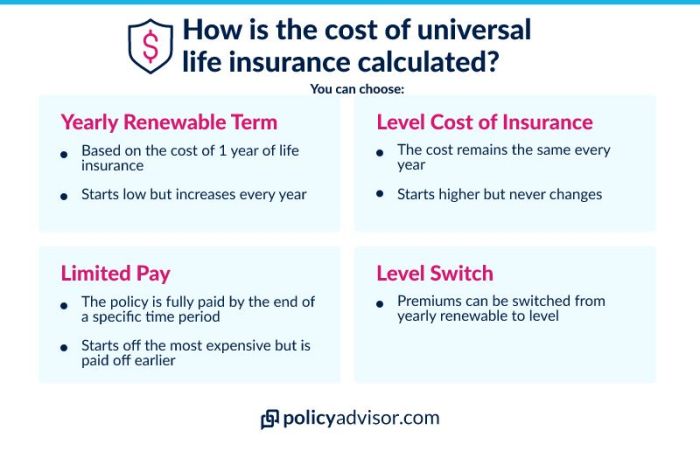
As the landscape of financial services evolves, universal life insurance is poised to adapt to emerging trends and consumer demands. With increasing volatility in financial markets and shifting consumer expectations, the future of universal life insurance is marked by innovation, technology, and regulatory changes that promise to reshape the industry. The need for flexible, customizable financial products makes universal life insurance an attractive option for policyholders seeking both protection and investment opportunities.The influence of technology and data analytics is significantly transforming the underwriting processes and policy offerings within universal life insurance.
Insurers are leveraging advanced algorithms and machine learning to streamline applications, assess risks more accurately, and tailor policies to individual client needs. This technological evolution is not only expediting the approval process but is also enhancing customer experience by providing personalized product recommendations based on predictive analytics.
Trends Shaping Universal Life Insurance
Several key trends are currently influencing the universal life insurance market, prompting both insurers and consumers to adapt to a rapidly changing environment. These trends highlight the importance of flexibility, transparency, and technology in shaping future offerings.
- Increased Demand for Customization: Consumers are looking for policies that offer both life coverage and investment components tailored to their financial goals.
- Health and Wellness Integration: Insurers are incorporating health and wellness data into their underwriting processes, rewarding policyholders with lower premiums for maintaining a healthy lifestyle.
- Digital Engagement: The rise of digital platforms is allowing consumers to manage their policies online, leading to greater transparency and accessibility for policy information.
- Sustainability Focus: Growing awareness of environmental issues is prompting insurers to offer products that align with socially responsible investing, appealing to eco-conscious consumers.
Technological Advancements in Underwriting
The integration of technology is revolutionizing underwriting practices in universal life insurance. Insurers are utilizing big data analytics to enhance the risk assessment process, resulting in faster turnaround times and more accurate underwriting decisions.
“Technology is redefining risk assessment, allowing insurers to offer more competitive pricing while maintaining profitability.”
These advancements enable insurers to gather and analyze vast amounts of data from various sources, including social media, wearable health devices, and telematics. This data not only helps to improve risk profiling but also allows for more personalized insurance solutions that meet the diverse needs of consumers.
Potential Regulatory Changes Impacting the Market
Regulatory frameworks are evolving in response to the dynamic nature of the insurance market. Key potential changes could significantly impact universal life insurance offerings, affecting both consumers and insurers.
- Enhanced Consumer Protection Regulations: With increasing scrutiny on insurance practices, regulations may strengthen to protect consumers from misleading marketing and ensure transparency in policy terms.
- Data Privacy Laws: The implementation of stricter data privacy laws could influence how insurers collect and utilize consumer data, impacting underwriting processes and product development.
- Solvency and Capital Requirements: Changes in capital requirements for insurers could lead to adjustments in policy pricing and availability, affecting how universal life insurance is structured.
Final Review
In conclusion, Universal Life Insurance is not just a policy—it’s a versatile financial tool that empowers you to take control of your financial future. With its unique features and advantages, it provides unparalleled flexibility and potential tax benefits, making it a strong contender in the world of life insurance. Embrace the opportunity to customize your coverage, ensuring that your policy aligns with your financial goals and life changes.