Home Energy Monitor is your gateway to smarter energy consumption, offering a revolutionary way to track and optimize your household’s power usage. Imagine having real-time insights at your fingertips, enabling you to take control of your energy bills while contributing to a sustainable future. With advanced technology at play, these devices connect seamlessly to your home, providing you with critical data about your energy consumption patterns and helping you make informed decisions.
Home energy monitors utilize sophisticated sensors and software to measure electrical consumption in real-time, allowing users to see which appliances are using the most energy. From simple plug-in models to smart whole-home systems, a variety of monitors are available to suit your specific needs. With features like mobile app integration, energy usage alerts, and detailed reports, you can gain unprecedented insight into your energy habits.
Understanding the Concept of Home Energy Monitors
Home energy monitors are innovative devices designed to provide insights into a household’s energy consumption. By using advanced technologies, these monitors help homeowners understand their energy usage patterns, which can lead to more efficient energy management and cost savings. With increasing energy costs and environmental concerns, the implementation of home energy monitors has become essential for anyone looking to reduce their utility bills and carbon footprint.The functionality of home energy monitors lies in their ability to track real-time energy usage data.
They typically connect to the main electrical panel of a home, where they measure the flow of electricity to various appliances and systems. This data is then transmitted to a display unit or a smartphone application, allowing users to monitor their energy consumption on the go. Many modern monitors utilize smart technology, enabling them to provide insights into not only how much energy is being used but also when it is being used.
This can be particularly useful for identifying peak usage times and making adjustments to decrease energy expenses.
Technology Used in Home Energy Monitors
Home energy monitors employ several technological components to collect and analyze energy data. The most common technologies include:
1. Current Transformers (CTs)
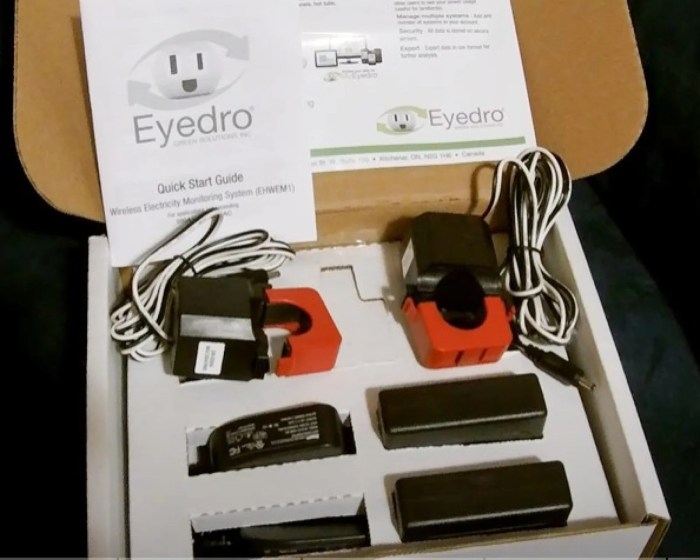
These devices clamp around the main power lines and measure the electrical current flowing through them. They are essential for calculating real-time usage without any direct connection to electrical circuits.
2. Smart Plugs
These plugs can be installed between an electrical outlet and an appliance. They provide detailed information about the energy usage of individual devices, helping users pinpoint energy hogs in their homes.
3. Wi-Fi Connectivity
Many home energy monitors offer Wi-Fi capability, allowing users to access their energy data remotely through mobile apps. This feature enhances user engagement and supports energy-saving behaviors.
4. Smart Meters
These devices are installed by utility companies and can relay detailed energy consumption information back to the provider, often in real-time. Some home energy monitors integrate with these smart meters to provide a broader overview of energy usage.Common types of home energy monitors available on the market include devices like the Sense Energy Monitor, Emporia Vue Energy Monitor, and the Neurio Home Energy Monitor.
Each of these devices offers unique features, such as compatibility with smart home systems, real-time notifications, and detailed analytics, catering to various consumer preferences and needs. With options ranging from simple monitoring to advanced analytics, homeowners can select a system that best fits their energy management goals.
Benefits of Using a Home Energy Monitor
Implementing a home energy monitor can transform the way households manage their electricity usage. These devices provide real-time insights into energy consumption, empowering users to make informed decisions that lead to significant savings. By tracking energy usage patterns, families can identify wasteful habits and optimize their energy use, ultimately contributing to a more sustainable environment.Home energy monitors come equipped with various features that enhance their usability and effectiveness.
They not only allow for the tracking of overall energy consumption but also break down usage metrics by appliance. This granular data helps users pinpoint which devices are energy hogs and encourages them to replace or modify their use. One of the most remarkable advantages is the potential for cost savings. According to various studies, households can save anywhere from 10% to 30% on their energy bills just by utilizing a home energy monitor effectively.
Cost Savings from Monitoring Energy Consumption
The financial benefits of monitoring energy consumption extend far beyond immediate savings. The initial investment in a home energy monitor is often recouped in a matter of months through reduced energy bills. Here’s how it works:
- Increased Awareness: Households that track their energy consumption become more aware of their usage patterns, leading to more mindful consumption practices.
- Identifying Inefficiencies: Many users report discovering appliances that consume more electricity than expected. For instance, a family might find that their older refrigerator is using significantly more energy than a modern, energy-efficient model. This realization can drive them to upgrade and save even more in the long run.
- Behavioral Changes: Real-time feedback encourages users to turn off lights, unplug devices, or adjust thermostat settings. One family noted they reduced their monthly bill by 15% simply by adopting these small changes.
- Peak Usage Alerts: Some monitors provide alerts during peak usage times, allowing users to shift their energy-intensive tasks to off-peak hours. This not only saves money but also reduces strain on the grid.
- Long-term Planning: By understanding their energy patterns, households can make informed decisions about future renovations or appliance purchases, focusing on energy-efficient options that provide significant savings over time.
The impact of these devices is often highlighted in user testimonials. For example, a homeowner named Sarah shared, “Since installing our home energy monitor, we’ve managed to cut our electricity bill by nearly $200 a year. We were shocked to find out our old washing machine was one of the worst culprits!” Such stories illustrate the practical benefits and tangible savings users experience.In another case, a couple who moved into a new house found that their energy consumption was significantly higher than in their previous residence.
After installing a monitor, they discovered that their heating system was running inefficiently. By correcting this issue, they not only improved their comfort but also reduced their heating bills by 25%. Overall, the advantages of implementing a home energy monitor extend beyond mere financial savings. These devices promote energy conservation, enhance awareness, and lead to behavioral changes that collectively contribute to a greener planet.
How Home Energy Monitors Contribute to Energy Conservation
Home energy monitors have emerged as essential tools in the journey toward energy conservation. By providing real-time insights into household energy consumption, these devices empower users to make informed decisions about their energy use, leading to significant savings and a reduced carbon footprint. As more homeowners become aware of their energy habits through these monitors, the result is a collective shift toward more sustainable living practices.Real-time data is a game changer when it comes to influencing user behavior regarding energy consumption.
Home energy monitors track energy usage at any given moment, allowing users to see the immediate impact of their actions. For instance, a household may notice that running the air conditioner and the washing machine simultaneously significantly spikes their energy use. By having this information readily available, users can adjust their habits, such as waiting to run the washing machine during off-peak hours, thus conserving energy.
Research has shown that households using energy monitors can reduce their energy consumption by an average of 10-15%. This substantial decrease can be attributed to increased awareness and proactive adjustments in energy usage patterns. The visual representation of data, often through graphs and charts on mobile apps, reinforces the connection between energy consumption and behavior. Users become more engaged and motivated to make better choices when they can see tangible proof of their efforts.
Comparison of Energy Consumption Before and After Implementation, Home Energy Monitor
The effectiveness of home energy monitors can be clearly illustrated through case studies and user testimonials. For example, a family that installed a home energy monitor reported an average monthly energy bill of $180 prior to implementation. After using the monitor for six months and employing energy-saving strategies based on the data received, their bill dropped to approximately $150 per month.
Factors contributing to this decline include:
- Increased awareness of peak energy times, leading to strategic usage of appliances.
- Elimination of energy waste by identifying and addressing phantom loads (devices that consume energy even when not in use).
- Behavioral changes such as turning off lights and unplugging electronics when not in use.
The data provided by home energy monitors also enables households to set personalized energy goals, such as reducing monthly consumption by a certain percentage. This goal-setting aspect not only fosters a competitive spirit among family members but also encourages a collective effort to conserve energy.
“With our energy monitor, we were not only able to save money but also contribute to a healthier planet.”
The consistent tracking of energy use before and after the installation of a home energy monitor reveals a clear trend: informed households make better energy choices. This insight into energy consumption promotes a culture of responsibility and sustainability, ultimately leading to a significant reduction in overall energy demand.
Choosing the Right Home Energy Monitor for Your Needs
Selecting a home energy monitor is an important decision that can lead to significant energy savings and increased awareness of your household’s energy consumption. With various models available on the market, understanding the features that best meet your needs will help you make an informed choice. This guide Artikels essential factors to consider, ensuring you select the right monitor to enhance your energy efficiency.
Factors to Consider When Selecting a Home Energy Monitor
When choosing a home energy monitor, several key factors will help you determine the best fit for your household’s unique circumstances. These considerations include compatibility with existing electrical systems, the functionality of the monitor, ease of use, and support for energy-saving strategies.
- Compatibility with Existing Electrical Systems: Ensure that the energy monitor you select is compatible with your home’s electrical infrastructure. Some monitors work with specific types of wiring or configurations, which may limit their use in certain homes. Check the product specifications for information on installation and compatibility.
- Functionality: Different energy monitors offer various features, such as real-time monitoring, historical data tracking, and alerts for unusual energy usage. Consider the functionalities that are most important to you, such as smartphone connectivity or integration with smart home systems, to enhance your overall experience.
- Ease of Installation: Some monitors require professional installation, while others are designed for DIY setup. If you prefer a hassle-free experience, look for models that offer simple installation processes and clear instructions.
- Data Analysis and Reporting: Comprehensive data reporting capabilities can help you identify patterns in your energy consumption. Look for systems that provide intuitive dashboards and detailed analytics, which can empower you to make informed decisions about your energy use.
Comparison of Popular Home Energy Monitors
To further assist in your decision-making, the following table compares features of several popular home energy monitors, taking into account their price, functionality, and user reviews:
| Product | Price | Functionality | User Reviews |
|---|---|---|---|
| Sense Energy Monitor | $299 | Real-time monitoring, appliance detection, smartphone app | 4.5/5 – Excellent for identifying energy hogs |
| TP-Link Kasa Smart Wi-Fi Plug | $24.99 | Energy monitoring for individual appliances, remote control | 4.7/5 – Affordable and easy to use |
| Neurio Home Energy Monitor | $199 | Historical data tracking, integration with smart devices | 4.2/5 – Good features for energy management |
| Emporia Vue Energy Monitor | $79 | Real-time monitoring, smart home compatibility, extensive data analysis | 4.6/5 – Great value for multiple circuits |
“Choosing the right home energy monitor not only helps in reducing costs but also empowers homeowners to make informed decisions about their energy consumption.”
Keep these factors and comparisons in mind as you explore your options, ensuring your final choice aligns with your energy monitoring goals and lifestyle.
Installation and Setup of Home Energy Monitors
Installing a home energy monitor can be a straightforward process, empowering homeowners to take control of their energy consumption. By following these steps carefully, you can ensure a smooth setup, enabling you to start tracking your energy usage efficiently.
Step-by-Step Installation Process
To install a home energy monitor, follow these essential steps to ensure optimal performance:
1. Select the Location
Choose a location for your monitor, typically near your electrical panel, where it can access the main power supply. Ensure there’s a power outlet nearby.
2. Turn Off Power
For safety, switch off the power at the circuit breaker before beginning the installation process. This step protects you from electric shocks.
3. Install the Sensor
Many home energy monitors come with clamp sensors. Attach these clamps around the main power cables in the electrical panel. Ensure the clamps are securely fastened and oriented correctly according to the manufacturer’s directions.
4. Connect the Monitor
Follow the manufacturer’s instructions to connect the monitor to your Wi-Fi network or directly to your smartphone via Bluetooth, depending on the model.
5. Power On the Monitor
Once the sensors are in place and connected, turn the power back on at the circuit breaker. This step allows the monitor to begin collecting data.
Discover more by delving into Best value electronic products under a specific budget further.
6. Set Up the App
Download the companion app associated with your energy monitor. Follow the app’s prompts to finalize the setup, which usually involves creating an account and linking the device.
7. Calibration
Some monitors require calibration. Follow the instructions in your user manual to ensure accurate readings.
8. Monitor Energy Usage
After setup is complete, start exploring your energy usage data through the app for insights and trends.
Safety Tips During Installation
Adhering to safety protocols is crucial when installing a home energy monitor. Here are some key safety tips:
- Always turn off the circuit breaker before opening the electrical panel.
- Use insulated tools and wear rubber-soled shoes to minimize the risk of electric shock.
- If unsure, consult a qualified electrician for assistance.
- Keep children and pets away from the installation area during the process.
Common Installation Challenges and Solutions
Many users encounter challenges during the installation of home energy monitors. Recognizing these issues and knowing how to resolve them can ensure a hassle-free experience.
Inconsistent Wi-Fi Connection
If your monitor struggles to connect to Wi-Fi, ensure your router is within range and there are no physical obstructions. Consider using a Wi-Fi extender to boost the signal.
Incorrect Sensor Placement
If readings appear inaccurate, verify that the sensors are correctly placed around the main power cables and that they are securely attached without any interference.
App Connection Issues
If the app doesn’t connect to the monitor, double-check the Bluetooth settings on your smartphone and ensure that the monitor is powered on and in pairing mode.
Calibration Errors
If the monitor displays incorrect readings, recalibrate it following the manual instructions, ensuring all steps are completed accurately.By following these installation steps while keeping safety in mind, homeowners can successfully set up their home energy monitors, gaining valuable insights into their energy consumption patterns.
Interpretation of Data from Home Energy Monitors
Understanding the data provided by home energy monitors is essential for optimizing energy usage and reducing costs. These devices offer real-time insights into your energy consumption, helping you identify patterns and make informed decisions. By interpreting this data correctly, you can pinpoint areas for improvement and implement strategies to enhance energy efficiency in your home.Accurate interpretation of the data from your home energy monitor requires focusing on several key metrics.
Find out about how What are the best electronic products for home use can deliver the best answers for your issues.
These metrics provide a clearer picture of your energy use and can guide your actions towards greater efficiency. Beyond merely tracking usage, analyzing these figures can help reduce your carbon footprint and lower monthly bills.
Key Metrics for Analyzing Energy Usage Data
To effectively utilize your home energy monitor, concentrate on the following essential metrics that can inform your energy-saving strategies:
Total Energy Consumption
This is the overall amount of energy used over a specific timeframe, typically measured in kilowatt-hours (kWh). Monitoring this figure allows you to track trends and make comparisons over days, weeks, or months.
Peak Usage Times
Understanding when your home consumes the most energy can help you adjust your habits. Identifying peak times allows for strategic shifts in energy-intensive activities, such as running appliances during off-peak hours.
Energy Cost Insights
Many monitors can provide you with real-time cost estimates based on your energy usage. This gives you a tangible perspective on how much you’re spending at any given moment, prompting more mindful energy consumption.
Appliance Usage Tracking
Some advanced monitors can distinguish between different devices. Monitoring the energy consumption of specific appliances can reveal which ones are most energy-hungry, enabling you to target your efforts more effectively.
Carbon Footprint Estimations
Many home energy monitors also provide estimates of your carbon footprint based on energy usage. This information can motivate you to make environmentally friendly choices.By interpreting this data effectively, you can take actionable steps towards improved energy efficiency. Here are some steps you can consider based on the insights gained from your monitor:
- Adjust your usage patterns based on peak energy hours to save on costs.
- Replace old appliances with energy-efficient models, based on their energy consumption data.
- Implement a smart home system to better control energy usage during peak hours.
- Schedule regular checks on your energy usage to stay informed and adjust your habits as needed.
- Engage family members in energy conservation efforts by sharing insights from your monitor to emphasize the importance of energy efficiency.
By focusing on these metrics and implementing the suggested actions, you can effectively harness the power of your home energy monitor to save money, enhance efficiency, and contribute to a more sustainable future.
Enhance your insight with the methods and methods of What trends are shaping the future of electronic promos.
Integration of Home Energy Monitors with Smart Home Systems
Home energy monitors are not just standalone devices; they are pivotal components of a holistic smart home ecosystem. By seamlessly integrating with other smart devices, these monitors offer enhanced energy management and improved efficiency. This synergy allows homeowners to gain comprehensive insights into their energy consumption patterns while automating energy-saving actions.The integration of home energy monitors with smart home systems leverages real-time data to optimize energy usage.
For instance, when a home energy monitor detects high energy consumption patterns, it can communicate with smart thermostats to adjust heating or cooling settings automatically. Similarly, smart lights can be programmed to dim or turn off during peak usage times, contributing to significant energy savings. This interconnected approach not only enhances convenience but also promotes a more sustainable lifestyle.
Examples of Synergy between Devices
The collaboration between home energy monitors and various smart home devices enhances energy efficiency and provides users with actionable insights. Here are some notable examples of this synergy:
- Smart Thermostats: Devices like the Nest Learning Thermostat adjust heating and cooling based on real-time energy data from home energy monitors, ensuring optimal performance and reducing usage during peak demand.
- Smart Lighting: Integrated systems can automatically turn off lights when a room is unoccupied or adjust brightness based on natural light levels, driven by data received from home energy monitors regarding energy usage patterns.
- Smart Appliances: Home energy monitors can signal appliances such as washing machines or dishwashers to run during off-peak hours, when energy rates are lower, ultimately leading to reduced energy bills.
User experiences with these integrated systems are overwhelmingly positive. Many homeowners report significant savings on energy bills and appreciate the ease of managing their consumption. One user stated:
“Since integrating my home energy monitor with my smart thermostat and lights, I’ve seen a 30% drop in my energy costs. The convenience and efficiency it brings are simply unmatched!”
This feedback underscores the tangible benefits of such integrations in achieving energy efficiency and promoting eco-friendly living.
The Future of Home Energy Monitoring Technology
As we embark on a new era of energy management, home energy monitoring technology is evolving at an unprecedented pace. With the integration of advanced technologies such as artificial intelligence and machine learning, homeowners are poised to gain greater control over their energy consumption. These innovations enable users to access real-time data, optimize usage, and significantly reduce energy costs, all from the comfort of their smartphones.
The future of home energy monitoring is bright, and its potential is boundless.Emerging trends in home energy monitoring technology showcase a move towards smarter, more interconnected systems. One key aspect is the increased reliance on artificial intelligence (AI) and machine learning (ML) algorithms. These technologies analyze vast amounts of data to provide actionable insights tailored to individual household needs. For instance, AI can predict energy usage patterns based on historical data, weather forecasts, and even the behavior of the occupants in the home.
Advancements in Artificial Intelligence and Machine Learning
The integration of AI and ML into home energy monitoring systems brings forth several groundbreaking innovations that promise to revolutionize consumer energy management.One of the most notable advancements is predictive energy analytics. This utilizes historical consumption data to forecast future energy use, which helps homeowners anticipate peak demand times and adjust their usage accordingly. By harnessing this predictive capability, users can minimize costs by shifting their energy-intensive activities to off-peak hours.Another significant innovation is automated energy optimization.
Smart home devices, such as thermostats and lighting systems, can learn from user behavior and preferences to automatically adjust settings for optimal energy efficiency. For example, a smart thermostat equipped with AI can learn when a household is typically occupied and adjust heating or cooling settings for comfort while conserving energy when the home is empty.Home energy monitoring systems are also becoming more user-friendly, thanks to intuitive mobile applications that provide real-time data and alerts.
These apps allow users to track their energy consumption, receive notifications about unusual spikes, and even control connected devices remotely. Moreover, the future of home energy monitoring includes the integration of renewable energy sources and storage solutions, such as solar panels and home batteries. Advanced energy management systems can intelligently coordinate between grid electricity and stored renewable energy, maximizing savings and ensuring energy availability during outages.As these technologies continue to evolve, consumers will benefit from enhanced energy management strategies, ultimately leading to more sustainable living.
For example, households equipped with AI-driven monitoring solutions may experience a reduction in energy bills by up to 30% annually, equating to significant savings over time.
“The intersection of AI and home energy monitoring is unlocking new levels of efficiency and cost savings for consumers.”
The convergence of intelligent technology in home energy monitoring is redefining how households interact with energy consumption, driving us toward a future where smart homes become the norm, and energy efficiency is a standard rather than an exception.
Final Conclusion
In conclusion, the Home Energy Monitor not only empowers you to save money but also plays a pivotal role in promoting energy conservation in your household. By understanding your energy usage, you can make actionable changes that lead to significant savings and a reduced carbon footprint. Embrace the future of energy management and take the first step towards a more efficient and eco-friendly home.