Furniture Items hold a special place in our homes and offices, acting as both functional essentials and aesthetic enhancers. The journey of furniture design is a captivating narrative, traversing through time from historical masterpieces to contemporary innovations. Each piece tells a unique story, embodying the cultural influences and artistic movements that shaped its creation.
From the ornate craftsmanship of the Renaissance to the sleek minimalism of modern designs, understanding the evolution of furniture items helps us appreciate their role in our daily lives. This journey reveals how iconic styles have emerged, influenced by societal changes and technological advancements, creating pieces that are not just furniture but also timeless art.
The Evolution of Furniture Items from Historical to Contemporary Designs
The evolution of furniture design is a fascinating narrative that reflects not only the shifts in aesthetics but also the changing needs and values of societies over time. From the ornate pieces of the Renaissance to the minimalist trends of today, furniture styles have undergone significant transformations influenced by cultural, technological, and economic factors. Historically, furniture was often a display of wealth and status.
In ancient Egypt, for example, furniture items were crafted from precious woods and adorned with gold, serving as symbols of the owner’s power. The Middle Ages introduced more functional designs, as the focus shifted towards comfort and utility. The Renaissance period saw a revival of classical forms, marked by intricate carvings and luxurious materials. As we moved into the 18th century, the Rococo style emerged, characterized by its flamboyant decoration and asymmetrical shapes.
This was followed by the Neoclassical movement, which favored symmetry and simplicity, drawing inspiration from ancient Greek and Roman art. The Industrial Revolution brought about mass production, making furniture more accessible to the average person and leading to the rise of styles like Victorian and Arts and Crafts, which emphasized craftsmanship and natural materials. In the 20th century, modernism took center stage, prioritizing functionality and the use of new materials such as metal and plastic.
Iconic pieces like the Eames Lounge Chair and the Barcelona Chair became symbols of this era, showcasing clean lines and innovative design. Today, contemporary furniture continues to evolve, often blending styles and focusing on sustainability, with designers drawing inspiration from both historical pieces and cutting-edge technology.
Cultural Influences on Furniture Design
Cultural influences significantly shape furniture design, creating distinct styles that resonate with specific regions and traditions. Various cultural elements, including art, religion, and environmental factors, contribute to the diverse range of furniture styles seen across the globe. For instance, Japanese furniture often features natural materials and minimalist designs, reflecting the cultural value placed on simplicity and harmony with nature. In contrast, Scandinavian design emphasizes functionality while maintaining an aesthetic appeal, often characterized by light woods and neutral colors.
The fusion of global influences has led to eclectic styles in contemporary furniture, where traditional craftsmanship meets modern design. Noteworthy examples include the Shaker furniture style, which reflects the Shaker community’s values of utility and simplicity, and the influence of Mid-century Modern design, which continues to inspire new generations of furniture makers.
Iconic Furniture Pieces and Their Significance
Throughout history, certain furniture pieces have stood out as icons of design and cultural significance. The following table highlights some of these exceptional pieces and their impact on furniture evolution:
| Furniture Piece | Era | Designer | Significance |
|---|---|---|---|
| The Eames Lounge Chair | 1956 | Charles and Ray Eames | A symbol of modern design, blending comfort with elegance. |
| The Barcelona Chair | 1929 | Ludwig Mies van der Rohe | Exemplifies modernist principles, celebrating form and function. |
| The Windsor Chair | 18th Century | Unknown | Reflects American colonial craftsmanship and simplicity. |
Understanding the Different Types of Furniture Items for Home and Office
When it comes to furnishing spaces, understanding the different types of furniture items available is essential for both functional and aesthetic purposes. Furniture can be categorized into various groups based on their use in residential or commercial settings, each serving specific needs and complementing different design styles. In residential settings, furniture can be divided into living room, dining room, bedroom, and storage categories.
Living room furniture includes sofas, coffee tables, and entertainment centers, designed for relaxation and social interaction. Dining room essentials, such as dining tables and chairs, facilitate meals and gatherings, while bedroom furniture, including beds and dressers, provides comfort and storage. Storage solutions like cabinets and bookshelves are crucial for maintaining organization within a home.In office environments, furniture types differ to accommodate work settings.
Desks, office chairs, and conference tables are designed to enhance productivity and collaboration. Office chairs, in particular, require ergonomic features to support long hours of sitting. Additionally, storage units such as filing cabinets and shelves help keep the workspace organized.
Comparison of Furniture Items by Purpose
The following table categorizes various furniture items based on their purpose, materials, and styles, providing a clearer understanding of their functionalities:
| Purpose | Material | Style |
|---|---|---|
| Living Room | Fabric, Leather, Wood | Modern, Traditional, Contemporary |
| Dining Room | Wood, Metal, Glass | Rustic, Industrial, Minimalist |
| Office | Plastic, Metal, Wood | Ergonomic, Sleek, Functional |
The Role of Ergonomics in Furniture Design and Usage
Ergonomics plays a crucial role in furniture design, focusing on creating products that enhance comfort and efficiency. The intention is to design furniture that promotes good posture and reduces the risk of strain or injury, especially in environments where individuals spend long periods sitting or interacting with their workspace. Chairs, desks, and sofas should incorporate specific ergonomic features. For instance, an ergonomic chair typically includes adjustable height, lumbar support, and armrests that promote a neutral sitting posture.
Desks designed with ergonomics in mind often feature adjustable heights or sit-stand options, allowing users to alternate between sitting and standing. Sofas can also be designed for better support, ensuring that users maintain proper posture while relaxing.Research indicates that ergonomic furniture can significantly improve productivity and overall well-being. Studies show that employees using ergonomic setups report lower levels of discomfort and higher job satisfaction.
Moreover, a well-designed workspace can lead to fewer sick days and higher efficiency, demonstrating the value of investing in ergonomic solutions.
Statistics on Ergonomic Furniture Benefits
Several key statistics support the importance of ergonomic furniture:
- Employees using ergonomic furniture report a 20% decrease in discomfort.
- Organizations that implement ergonomic solutions experience a 25% reduction in workplace injuries.
- Ergonomic adjustments can lead to up to a 10% increase in productivity.
Sustainable Practices in Furniture Manufacturing and Sourcing
Sustainability has become a vital consideration in furniture manufacturing, as consumers increasingly demand eco-friendly products. Sustainable furniture production focuses on utilizing renewable resources, reducing waste, and minimizing the environmental impact of manufacturing processes. Methods used in sustainable furniture production include sourcing materials from sustainably managed forests, using recycled materials, and employing eco-friendly finishes. For example, bamboo is a popular alternative to traditional hardwood due to its rapid growth and renewability.
Get the entire information you require about Apartments for Sale on this page.
Additionally, furniture makers are embracing practices such as reduced packaging and energy-efficient manufacturing processes to further lower their carbon footprint. The impact of sustainable sourcing extends beyond environmental benefits; it also influences consumer choices. Shoppers are now more inclined to support brands that demonstrate a commitment to sustainability.
Eco-Friendly Furniture Brands
Here is a list of eco-friendly furniture brands and their practices in sustainability:
- IKEA: Uses sustainable materials and has a program for recycling old furniture.
- West Elm: Sources responsibly harvested wood and partners with artisans to reduce environmental impact.
- Herman Miller: Focuses on using recycled materials and has a take-back program for old furniture.
Trends in Furniture Design: What’s In and What’s Out
The world of furniture design is ever-evolving, with trends reflecting the values and preferences of contemporary society. Currently, popular trends emphasize sustainability, minimalism, and multifunctionality, catering to a growing demand for environmentally conscious and space-efficient designs. Color palettes have shifted towards muted tones, earthy shades, and vibrant accent pieces, while materials like reclaimed wood, metal, and natural fibers dominate the scene.
Conversely, past trends such as overly ornate designs and heavy, dark furniture have fallen out of favor. This shift highlights a preference for simplicity and functionality over extravagance.
Comparison of Trending Materials and Colors
The following table illustrates the contrast between modern design trends and those that are considered outdated:
| Current Trends | Outdated Trends |
|---|---|
| Natural materials like wood and rattan | Heavy, dark woods |
| Muted and earthy color palettes | Bright, clashing colors |
| Multifunctional furniture | Single-purpose items |
Custom Furniture Items: Personalization and Its Impact on Home Aesthetics
Custom furniture offers a unique opportunity for individuals to express their personal styles and preferences in home decor. The ability to tailor furniture items allows for a perfect match with existing interior themes and individual tastes, enhancing the overall aesthetic of a space. Popular custom furniture options include tailored sofas, bespoke dining tables, and personalized cabinetry. Each of these pieces can be designed with specific dimensions, materials, and finishes, making them truly one-of-a-kind.
This not only ensures functionality but also adds a personal touch that mass-produced items may lack.The process of designing and ordering custom furniture typically involves several key considerations. Homeowners should evaluate their space’s dimensions, consider the desired style and materials, and work closely with skilled artisans or designers to bring their vision to life.
Key Considerations for Custom Furniture Design
When embarking on a custom furniture project, keep these points in mind:
- Assess the available space and determine the dimensions needed for the furniture.
- Choose materials that align with both aesthetic preferences and durability requirements.
- Collaborate with designers to ensure that the final piece meets both functional and visual expectations.
The Psychological Effects of Furniture Choices on Mood and Atmosphere
Furniture choices can significantly impact the mood and atmosphere within a space, influencing emotional responses and overall well-being. Various factors, including color, design, and arrangement, play a crucial role in shaping the ambiance of a room. Color theory suggests that different colors evoke specific emotions. For instance, warm tones like red and orange can create a sense of energy and warmth, while cool tones such as blue and green promote calmness and tranquility.
By strategically selecting furniture colors, homeowners can cultivate desired emotional responses within their spaces.Additionally, the arrangement of furniture affects how a space is perceived. Open layouts may promote social interaction and a sense of freedom, while more segmented arrangements can create intimacy and a cozy atmosphere. Understanding these principles can help individuals curate spaces that align with their emotional needs.
Principles of Color Theory and Furniture Selection
Consider the following principles when selecting furniture colors:
- Warm colors stimulate energy and excitement.
- Cool colors promote relaxation and concentration.
- Neutral colors provide a versatile backdrop that can be enhanced with accent pieces.
Maintenance and Care Tips for Different Furniture Materials
Proper maintenance and care are essential for extending the lifespan of furniture items. Different materials present unique care requirements, and understanding these needs helps preserve both aesthetics and functionality over time. For wooden furniture, regular dusting and the application of furniture polish can help maintain its finish. Leather items benefit from conditioning treatments to prevent cracking, while fabric upholstery may require periodic cleaning to remove dirt and stains.
A step-by-step guide for maintaining various furniture materials can be particularly helpful for homeowners seeking to keep their investments in top condition.
Browse the implementation of Smart Homes in real-world situations to understand its applications.
Care Requirements by Material Type, Furniture Items
The following table Artikels specific care tips based on common furniture materials:
| Material Type | Care Tips |
|---|---|
| Wood | Dust regularly; apply polish; avoid direct sunlight. |
| Leather | Condition regularly; clean with a damp cloth; avoid harsh chemicals. |
| Fabric | Vacuum regularly; spot clean stains; use fabric protector. |
The Influence of Technology on Modern Furniture Design and Functionality
Technology has dramatically transformed the realm of furniture design and functionality, introducing innovations that enhance user experiences. From smart furniture that integrates technology into everyday use to advancements in materials and manufacturing processes, the impact of technology is profound. Smart furniture, such as desks with built-in charging stations or sofas equipped with Bluetooth speakers, reflects the growing trend of merging technology with design.
Notice Fresh Fruits and Vegetables for recommendations and other broad suggestions.
This integration not only adds convenience but also caters to the tech-savvy consumer’s lifestyle. Innovative designs that incorporate technology can elevate the functionality of furniture, making it more adaptable to the modern user’s needs. For example, adjustable desks can support health-conscious work habits, while modular furniture systems allow for customizable layouts that can evolve with changing needs.
Examples of Innovative Designs
Several modern furniture pieces showcase the influence of technology:
- Smart Desks: Desks with built-in wireless charging and adjustable heights.
- Sofas with USB Ports: Furniture that allows for easy charging of devices while relaxing.
- Modular Seating Systems: Versatile furniture that can be rearranged to suit different occasions.
Furniture Items as a Reflection of Cultural Identity and Personal Values
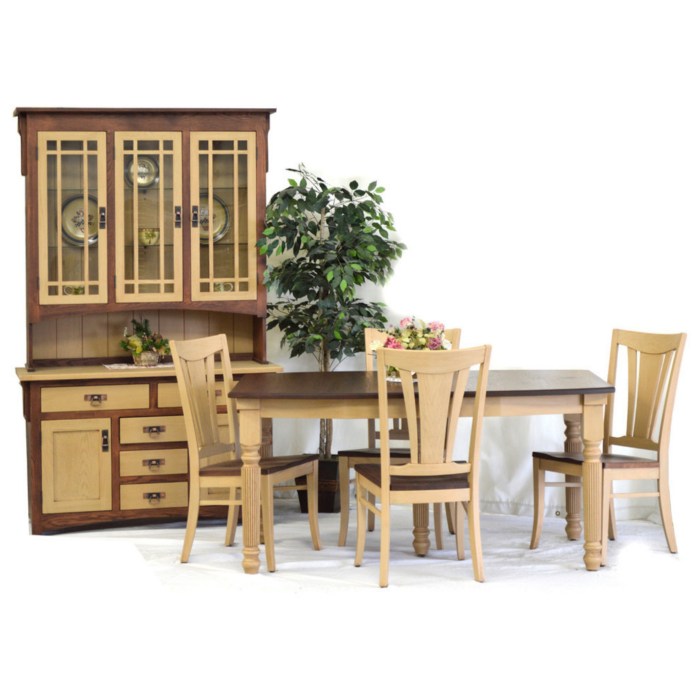
Furniture choices are more than just functional items; they often convey cultural identity and personal values within home decor. Distinct styles can reflect heritage, traditions, and individual beliefs, providing insight into a person’s background and preferences. Traditional furniture styles, such as Colonial American or African tribal designs, play a crucial role in preserving cultural heritage. These pieces not only serve practical purposes but also tell stories of the cultures they represent, offering a sense of belonging and identity.
Personal stories often influence furniture selections and arrangements. Whether it’s a family heirloom or a piece acquired during travels, these items hold sentimental value and contribute to the overall narrative of a home.
Significance of Traditional Furniture Styles
The following points highlight the importance of traditional furniture styles:
- They preserve cultural heritage and craftsmanship.
- They foster a sense of identity and belonging.
- They serve as conversation starters, sharing stories of history and culture.
Closure
In conclusion, Furniture Items are more than just objects; they are a reflection of our identities, values, and the environment around us. As we navigate through historical significance, ergonomic features, and modern trends, it’s clear that the right furniture enhances not only our spaces but also our lives. Embrace the evolution of furniture design and let your choices speak for you.