What makes a good esports monitor for gamers is not just a question; it’s the foundation of an exceptional gaming experience. In the fast-paced world of esports, having the right monitor can mean the difference between victory and defeat. Gamers are constantly searching for that perfect balance of speed, clarity, and responsiveness that can enhance their gameplay and give them the competitive edge they crave.
From understanding refresh rates to exploring response times, each aspect plays a critical role in how you experience your favorite games. Dive into the world of gaming monitors and discover how resolution, panel types, connectivity options, and even ergonomic features can elevate your gaming sessions to new heights. Every detail counts when the stakes are high, and a good esports monitor is your best ally in the battle for supremacy.
Understanding the Importance of Refresh Rate in Esports Monitors
In the fast-paced world of esports, every millisecond matters, and the refresh rate of your monitor can significantly influence your gaming performance. A higher refresh rate provides smoother visuals and a more responsive experience, which can mean the difference between victory and defeat. In this section, we delve into the intricate relationship between refresh rates and gaming performance, unraveling why it’s crucial for gamers to invest in monitors with optimal specifications.The refresh rate, measured in hertz (Hz), indicates how many times per second the image on the screen is updated.
For gamers, this is vital because a higher refresh rate leads to smoother motion and reduced motion blur, allowing players to track fast-moving objects with greater precision. In competitive gaming, where split-second decisions decide the outcome, even a slight lag can hinder performance. Players using monitors with refresh rates of 144Hz or 240Hz experience noticeably superior gameplay compared to those limited to 60Hz, as the higher refresh rates reduce the input lag and provide a more fluid visual experience.
Optimal Refresh Rates for Various Types of Esports Games
When considering the best refresh rates for different genres of esports games, it is essential to understand the unique demands of each. The following categories highlight the optimal refresh rates that can enhance gameplay:
- First-Person Shooters (FPS): Games like “Counter-Strike: Global Offensive” or “Call of Duty” thrive on high refresh rates. A monitor with at least 144Hz is recommended to ensure that players can react quickly and accurately to threats in fast-paced environments.
- Multiplayer Online Battle Arenas (MOBA): Titles such as “League of Legends” benefit from refresh rates of 120Hz or higher. While not as crucial as in FPS games, smoother visuals still enhance the overall experience during intense team fights.
- Racing Games: In titles like “Forza Horizon” or “Gran Turismo,” a refresh rate of 120Hz or more allows for smoother tracking of high-speed action, contributing to a more immersive experience.
- Real-Time Strategy (RTS): Games like “StarCraft II” can operate effectively at 60Hz, but increasing to 120Hz provides better fluidity when managing multiple units and strategies simultaneously.
In competitive play, the advantages of higher refresh rates are clear. They allow for quicker reaction times, clearer visuals during rapid movements, and an overall enhanced gaming experience that can improve performance and enjoyment. As the esports landscape continues to evolve, gamers should ensure they are equipped with monitors that can keep up with their skills and the demands of modern gaming.
Exploring Response Time and Its Effect on Gaming Experience
In the competitive realm of esports, having the right equipment can make all the difference. One of the most critical specifications to consider when selecting an esports monitor is response time. This measure, typically expressed in milliseconds (ms), indicates how quickly a pixel on the screen can change from one color to another. A lower response time means that gamers experience minimal delay, ensuring that their actions on-screen are in sync with their intentions, which is paramount in fast-paced gaming scenarios.Response time significantly impacts the overall gaming experience by reducing issues such as motion blur and ghosting.
When a monitor has a high response time, images may not refresh quickly enough to keep up with rapid movements in games. This lag can result in ghosting, where trailing images remain on the screen, making it difficult for players to track fast-moving objects. With esports titles like “Call of Duty” or “Counter-Strike,” where split-second decisions can determine the outcome of a match, any delay can be detrimental.
A response time of 1ms or 2ms is considered optimal, allowing gamers to enjoy smooth visuals and greater clarity.
Impact of Response Time on Motion Blur and Ghosting
When selecting an esports monitor, understanding how response time affects visual performance is crucial. High response times often lead to noticeable motion blur and ghosting in graphics-intensive games. These phenomena can obscure the player’s view during critical gameplay moments, resulting in missed shots or incorrect movements.To illustrate the acceptable response times for various gaming scenarios:
- 1ms – 2ms: Ideal for competitive first-person shooters (FPS) such as “Valorant” and “Doom Eternal,” where precision is essential.
- 3ms – 5ms: Suitable for fast-paced action games like “Fortnite” and “Apex Legends,” striking a balance between performance and affordability.
- 6ms – 8ms: Adequate for casual gaming or slower-paced titles like “Stardew Valley” or “The Sims,” where ultra-fast response times are less critical.
“Lower response times lead to sharper images and reduced ghosting, significantly enhancing gameplay in fast-paced scenarios.”
In summary, gamers seeking to elevate their performance must prioritize monitors with low response times to enjoy a superior gaming experience devoid of distracting artifacts like motion blur and ghosting. Choosing the right monitor can be the defining factor in achieving success in the competitive esports landscape.
You also will receive the benefits of visiting How to improve gaming setup with esports products today.
Analyzing Resolution and Its Role in Visual Clarity
Resolution plays a crucial role in defining the gaming experience, as it directly impacts visual clarity and detail. In the realm of esports, where milliseconds can mean the difference between victory and defeat, understanding the nuances of various resolutions becomes essential for gamers seeking to enhance their competitive edge. A higher resolution offers sharper images, allowing players to spot enemies and finer details that might be missed at lower resolutions.
The resolution of a monitor is essentially the number of pixels displayed on the screen, and it significantly affects how graphics are rendered in games. Let’s delve deeper into the comparison of the three most popular resolutions: 1080p, 1440p, and 4K.
Comparison of 1080p, 1440p, and 4K Resolutions
Each resolution offers unique advantages and disadvantages, making them suitable for different gaming setups and styles. Understanding these distinctions can help gamers make informed decisions based on their preferences and hardware capabilities.
- 1080p (Full HD)
1080p is the standard resolution for most gaming monitors, offering a pixel count of 1920 x 1080.
This resolution is widely supported across various games and provides a solid balance between performance and quality. A significant advantage of 1080p is the lower hardware requirements, allowing even entry-level gaming systems to run smoothly. However, it may lack the visual depth and detail that higher resolutions provide, which can be a disadvantage in visually rich games.
- 1440p (Quad HD)
1440p boasts a pixel resolution of 2560 x 1440, offering enhanced clarity over 1080p.
When investigating detailed guidance, check out Best sound systems for immersive gaming experiences? now.
For gamers seeking a sharper visual experience without the hefty hardware demands of 4K, 1440p is an optimal choice. It strikes a balance between detail and performance, making it suitable for fast-paced games where quick reactions are vital. The downside is that it requires more robust graphics capabilities, which might necessitate a mid to high-end gaming rig.
- 4K (Ultra HD)
With a resolution of 3840 x 2160, 4K delivers stunning visuals that immerse players in their gaming worlds.
4K is perfect for gamers who prioritize graphical fidelity and are playing visually intensive titles or participating in cinematic experiences. However, it demands powerful hardware to maintain high frame rates, making it less accessible for casual gamers. Additionally, not all games are optimized for 4K, which could lead to inconsistencies in performance.
Choosing the right resolution also depends on the type of games played and the gaming setup. For competitive FPS (First-Person Shooter) games, many gamers prefer 1080p or 1440p to ensure high frame rates and reduce lag. In contrast, for RPGs (Role-Playing Games) or open-world titles, players may lean toward 4K to appreciate the intricate graphics and expansive environments. Ultimately, the optimal resolution hinges on personal preferences, hardware capabilities, and the specific types of games being played.
Assessing Panel Types and Their Impact on Color and Viewing Angles
When selecting an esports monitor, the choice of panel type plays a crucial role in enhancing the gaming experience. Three primary panel technologies—In-Plane Switching (IPS), Twisted Nematic (TN), and Vertical Alignment (VA)—each offer unique attributes that cater to different gaming preferences. Understanding these differences is essential for gamers aiming for an optimal setup that balances color accuracy, response times, and viewing angles.Panel types significantly affect color reproduction and viewing angles during gameplay.
IPS panels are renowned for their superior color accuracy and wider viewing angles, making them ideal for games with rich graphics and vibrant environments. In contrast, TN panels prioritize fast response times, which are crucial in fast-paced competitive gaming; however, they often compromise on color quality and viewing angles. VA panels strike a balance between the two, providing excellent contrast ratios and decent color performance, yet they typically lag behind IPS panels in response time.
Panel Type Comparison
To make an informed decision, consider the following attributes of each panel type:
- IPS Panels:
IPS technology delivers stunning color accuracy and consistency, allowing for immersive gameplay. The 178-degree viewing angle ensures that colors remain vibrant from any position.
Ideal for visually rich games, IPS panels excel in environments where color fidelity is paramount. However, they tend to have slower response times than TN panels, which can lead to motion blur in fast-paced gaming scenarios.
- TN Panels:
Designed for speed, TN panels boast some of the fastest response times available, making them a favorite among competitive gamers.
While they are less expensive and provide high refresh rates, TN panels struggle with color accuracy and limited viewing angles. This can be a significant drawback in games where color differentiation is essential.
- VA Panels:
VA panels are known for their impressive contrast ratios, producing deep blacks and vibrant colors.
They offer better color performance than TN panels and are suitable for immersive gaming experiences. However, they generally have slower response times than both TN and IPS panels, which may affect competitive gaming performance.
Choosing the right panel type hinges on individual gaming preferences. Competitive gamers might prioritize the speed and responsiveness of TN panels, while those who engage in visually rich, story-driven games may prefer the color depth of IPS panels or the contrast of VA panels. Ultimately, understanding each panel’s strengths and weaknesses enables gamers to select a monitor that enhances their unique gaming experience.
Evaluating Connectivity Options for Enhanced Compatibility: What Makes A Good Esports Monitor For Gamers
In the world of esports, having a monitor that excels in performance is essential, but it’s equally important to consider the connectivity options available. A monitor equipped with diverse connectivity ports allows gamers to easily connect it to multiple devices, ensuring a seamless transition between gaming consoles, PCs, and other peripherals. This versatility not only enhances the overall gaming experience but also future-proofs your setup as new technologies emerge.When evaluating a gaming monitor, it’s crucial to identify the essential ports that contribute to maximum versatility.
The right combination of connectivity options can significantly influence performance, reduce input lag, and ensure optimal image quality. Here are the key ports that every gaming monitor should feature:
Essential Ports for Maximum Versatility
Diverse connectivity options offer gamers freedom and flexibility in connecting their gaming rigs and devices. The following ports are vital in a good esports monitor:
- HDMI (High-Definition Multimedia Interface): One of the most common connection types, HDMI supports high-definition video and audio in a single cable. Modern gaming consoles and PCs primarily use HDMI, making it a must-have for versatile connectivity.
- DisplayPort: Particularly popular among PC gamers, DisplayPort delivers higher refresh rates and supports higher resolutions than HDMI. It’s also capable of multi-stream transport, allowing multiple monitors to be connected in a daisy chain.
- USB-C: With the increasing adoption of USB-C in laptops and gaming devices, having this port allows for fast data transfer and charging capabilities. This modern connection type is essential for gamers who utilize laptops or portable devices.
- VGA (Video Graphics Array): Though becoming less common, VGA ports are still relevant for older devices. Including this port can help ensure compatibility with legacy systems.
- Audio Out: A dedicated audio output allows gamers to connect headphones or speakers directly to the monitor, eliminating the need for additional cables and devices.
The types of connections available directly impact gaming performance and overall experience. For instance, using DisplayPort can provide a higher refresh rate which is critical for competitive gaming, ensuring smoother gameplay and reducing motion blur. HDMI, while excellent for consoles, may be limited to certain refresh rates at higher resolutions. Moreover, utilizing USB-C can streamline the setup process, reducing cable clutter while maintaining high-quality data transfer.
In summary, investing in a gaming monitor with a wide array of connectivity options not only maximizes compatibility with current devices but also prepares you for future advancements in technology. The right connections lead to enhanced performance, providing gamers with the ultimate competitive edge in the esports arena.
Considering Adaptive Sync Technologies for Smooth Gameplay
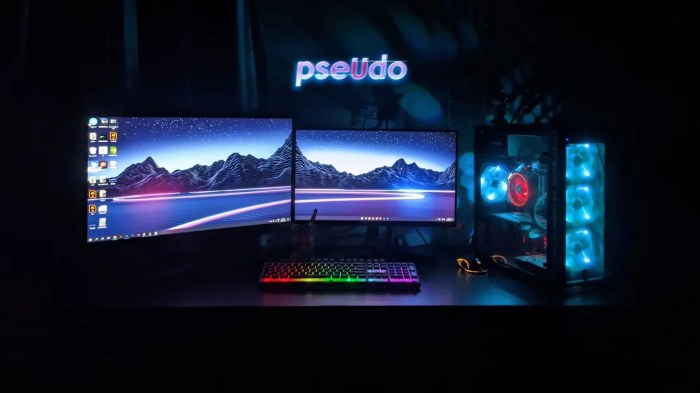
In the fast-paced world of esports, every millisecond matters. Gamers strive for flawless performance, and adaptive sync technologies like NVIDIA’s G-Sync and AMD’s FreeSync play a pivotal role in achieving that ultimate gaming experience. By synchronizing the refresh rate of the monitor with the frame rate output of the graphics card, these technologies ensure a consistently fluid and responsive gameplay environment.
The key lies in their ability to eliminate screen tearing and stuttering, allowing players to focus on their strategies rather than being distracted by visual artifacts.Adaptive sync technologies significantly enhance gaming visuals by reducing screen tearing, a common problem when the frame rate of a game surpasses the monitor’s refresh rate. This mismatch leads to portions of multiple frames being displayed simultaneously, creating a jarring visual effect.
With G-Sync and FreeSync, both the monitor and GPU communicate directly, dynamically adjusting the refresh rate to match the game’s frame output. This real-time synchronization results in smoother motion, enhancing clarity and responsiveness during critical gameplay moments. Gamers can enjoy high frame rates without the distracting distortions, providing a competitive edge during intense gaming sessions.Monitors that excel in adaptive sync capabilities are essential for gamers who seek premium performance.
Some standout options in this category include:
- ASUS ROG Swift PG259QN: Designed for esports, this monitor boasts a 360Hz refresh rate combined with G-Sync technology, ensuring ultra-smooth gameplay even in the most demanding titles.
- Acer Predator XN253Q: Featuring FreeSync support and a rapid 240Hz refresh rate, this monitor delivers responsiveness and clarity, making it perfect for competitive gaming scenarios.
- LG UltraGear 27GN950: A 4K monitor with both G-Sync and FreeSync compatibility, it offers stunning visuals while maintaining fluid motion, ideal for immersive gaming experiences.
Investing in a monitor equipped with adaptive sync capabilities is a game-changer for serious gamers. With the right technology, players can elevate their performance, reduce distractions, and fully engage in the thrilling world of esports.
Do not overlook the opportunity to discover more about the subject of What to look for in gaming hardware reviews?.
Determining the Importance of Ergonomics and Adjustability
As gaming technology evolves, the importance of ergonomics and adjustability in gaming monitors becomes increasingly significant. For gamers who often engage in long sessions, the comfort and support provided by a well-designed monitor can play a crucial role in performance and overall enjoyment. With the right ergonomic features, players can reduce physical strain and enhance their focus, ultimately leading to improved gaming outcomes.Long gaming sessions can result in fatigue, discomfort, and even long-term health issues if the proper ergonomic measures are not taken.
Ergonomic monitors are designed to promote a healthier posture, allowing gamers to maintain their focus without being distracted by discomfort. These features help to align the monitor at eye level, reduce neck strain, and minimize the risk of repetitive strain injuries. Investing in a monitor that caters to these ergonomic needs is essential for anyone serious about gaming, especially those who spend hours in front of the screen.
Key Adjustable Features to Look For in a Gaming Monitor, What makes a good esports monitor for gamers
When selecting a gaming monitor, it is vital to consider several adjustable features that enhance usability and comfort. These features ensure that the monitor can be tailored to fit individual preferences, promoting better posture and reducing strain during prolonged use. The following are essential adjustable features to look for:
- Height Adjustment: Allows users to elevate or lower the screen to align with their eye level, preventing neck strain.
- Tilt Adjustment: Enables the screen to be tilted forward or backward, which helps to avoid glare and promotes a better viewing angle.
- Swivel Functionality: Lets users rotate the monitor left or right, accommodating multiple users or adjusting the angle for optimal viewing.
- Pivot Capability: Allows the monitor to be rotated between landscape and portrait orientations for different tasks, enhancing versatility.
- VESA Mount Compatibility: Offers the option to mount the monitor on an adjustable arm, providing even more flexibility in positioning.
Ergonomics plays a vital role that should not be overlooked compared to other technical specifications like refresh rates and response times. While high refresh rates and low response times enhance gameplay fluidity and responsiveness, without proper ergonomic features, gamers may find themselves uncomfortable and distracted. A monitor with excellent technical specifications is futile if it causes strain or pain during extended use.
Thus, an ideal gaming monitor should strike a balance between top-notch performance metrics and ergonomic features to support long-term health and optimal gaming experiences.
Investing in a monitor that combines outstanding technical specifications with essential ergonomic features is paramount for every serious gamer.
Reviewing Additional Features That Enhance the Gaming Experience
In the fast-paced world of esports, having the right monitor can mean the difference between victory and defeat. While refresh rates and response times are critical, additional features can significantly enhance the gaming experience, providing players with comfort and functionality that are essential for long gaming sessions. Features such as blue light filtering, built-in speakers, and customizable settings not only improve visual quality but also contribute to a more enjoyable and immersive gaming environment.One of the standout features in modern esports monitors is blue light filtering technology.
This feature helps reduce the amount of blue light emitted by the screen, which can cause eye strain and fatigue during extended periods of use. By filtering out this potentially harmful light, gamers can enjoy longer, more comfortable sessions without the discomfort that often accompanies prolonged screen time. This is particularly valuable during tournaments or late-night gaming sessions when players are most susceptible to eye fatigue.
For instance, monitors like the ASUS ROG Swift PG32UQX come equipped with advanced blue light filtering options, allowing users to customize their visual experience based on their needs and preferences.Another innovative feature is the inclusion of built-in speakers. While many gamers prefer to use headsets for sound, integrated audio options can offer convenience without the need for additional equipment. Built-in speakers can provide a satisfactory audio experience, especially for casual gaming or when sharing the screen with friends.
Monitors like the AOC AGON AG273QZ boast impressive integrated audio systems tailored for gamers, ensuring that sound effects and in-game audio enhance the overall experience without compromising on quality.Customizable settings are also pivotal in modern esports monitors. These settings allow players to fine-tune their display preferences, adjusting brightness, contrast, color temperature, and more to suit their specific gaming environment. This level of personalization can lead to not only a more visually appealing experience but also improved performance in competitive gaming.
For example, the Dell Alienware AW2521H offers extensive customization options, including presets for different game genres, which can be a game-changer for serious esports athletes.The synergy of these features can significantly enhance comfort and functionality during extended gaming sessions. By prioritizing eye comfort with blue light filtering, providing convenient audio options with built-in speakers, and allowing personalized configurations, gamers can maintain peak performance and enjoyment.
These enhancements cater to the comprehensive needs of modern players who strive to excel in esports.When choosing a monitor, consider how these additional features can impact your gaming experience. Innovative models like the MSI Optix MAG272CQR and Samsung Odyssey G7 not only provide high refresh rates and low response times but also incorporate these essential features to create an unrivaled gaming setup.
Investing in a monitor that supports your gaming habits and preferences can elevate your overall experience, making every match more enjoyable and engaging.
Final Wrap-Up
In conclusion, a good esports monitor is more than just a screen; it’s an essential tool that enhances your gaming performance and enjoyment. By considering factors such as refresh rate, response time, resolution, and ergonomics, you ensure that you are fully equipped to tackle any challenge that comes your way. Whether you’re a casual gamer or a serious competitor, investing in the right monitor can transform your gameplay, making every moment more thrilling and rewarding.