Smart Homes are revolutionizing the way we live, blending cutting-edge technology with everyday convenience. Imagine a living space that learns your habits, anticipates your needs, and enhances your lifestyle—all at the touch of a button.
Over the years, smart home technology has evolved dramatically, bringing us innovations that make our homes not just smarter but more efficient, secure, and connected. From intelligent lighting systems that adjust to your mood to security cameras that provide real-time updates, the transformation from traditional homes to smart homes is nothing short of remarkable. As we delve deeper into this fascinating topic, prepare to discover how these advancements are reshaping our everyday experiences.
The Evolution of Smart Homes and Their Technology
The concept of smart homes has come a long way since its inception. Initially, a home equipped with minor automation was considered innovative, but today’s smart homes integrate advanced technology to create seamless living experiences. Over the years, technological advancements have enabled significant innovations that have shaped the smart home landscape. One pivotal innovation is the development of smart assistants, such as Amazon Alexa and Google Assistant, which allow homeowners to control various devices with simple voice commands.
This shift from manual operation to voice-activated control has enhanced convenience and accessibility. Another crucial development is the proliferation of IoT (Internet of Things) devices, enabling appliances to communicate with each other and be managed remotely via smartphones or tablets. Thirdly, the advancement of smart security systems has transformed home security, offering homeowners remote monitoring and alerts.Traditional homes have experienced a remarkable transformation into smart homes through these technologies.
For example, a standard thermostat can be upgraded to a smart thermostat, which learns homeowner preferences and adjusts temperatures accordingly, leading to more efficient heating and cooling. Smart lighting systems can now be programmed to turn on and off based on occupancy, further enhancing energy efficiency. As technology continues to progress, the integration of smart devices is becoming more commonplace, making life easier and more energy-efficient.
The Role of IoT in Smart Homes
The Internet of Things (IoT) plays a fundamental role in the functionality of smart homes. By allowing various devices to connect and communicate with one another, IoT creates a cohesive ecosystem where homeowners can manage their living environments more intelligently. This connectivity enhances automation, making everyday tasks more convenient and efficient.Integrating IoT devices into home systems offers several key benefits.
First, it provides enhanced control and monitoring capabilities, allowing users to manage their homes remotely. Second, IoT devices can optimize energy usage, leading to reduced costs and minimized environmental impact. Third, the integration of IoT can significantly improve safety and security, as devices can alert homeowners to potential issues, such as leaks or break-ins.However, potential security risks are associated with IoT in smart homes.
Devices may be vulnerable to hacking if not adequately secured, leading to unauthorized access to personal information or control over home systems. Therefore, ensuring robust security measures are in place is crucial for homeowners looking to embrace IoT technology.
Energy Efficiency and Smart Homes
Smart homes have a profound impact on energy consumption and efficiency. As energy costs continue to rise, many homeowners are seeking solutions to reduce their utility bills while maintaining comfort. Smart home technology plays a critical role in achieving this goal. Devices such as smart thermostats, energy-efficient lighting, and intelligent appliances contribute to lower energy usage. For example, smart thermostats learn user habits and adjust heating and cooling schedules accordingly, ensuring energy is used only when necessary.
Similarly, smart lighting systems can be programmed to turn off automatically when rooms are unoccupied, preventing wasted electricity.Moreover, smart appliances, such as washing machines and refrigerators, can optimize energy consumption based on real-time data. These devices can operate during off-peak hours when energy rates are lower, further contributing to savings.In the long term, smart home technology can lead to significant cost savings.
By reducing energy consumption, homeowners can expect lower monthly utility bills. Additionally, many utility companies offer incentives for homeowners who install energy-efficient devices, making smart home technology not only environmentally friendly but also economically viable.
Security Features of Smart Homes
The security measures available in smart homes are diverse and sophisticated, providing homeowners with enhanced protection against threats. Smart security systems can include cameras, motion detectors, door locks, and alarm systems, all of which can be monitored and controlled remotely via smartphones or tablets.These systems often outperform traditional security systems. For instance, while a conventional alarm system may only notify homeowners of a breach, smart security technologies can provide real-time video feeds, allowing homeowners to assess situations immediately.
Smart locks can offer keyless entry and monitoring, and alerts can be sent directly to a homeowner’s phone when unusual activity is detected.Furthermore, smart home security features can enhance peace of mind for homeowners. With the ability to monitor their homes from anywhere, individuals can feel secure knowing that they can respond to situations promptly. This level of control and information significantly contributes to a sense of safety and reassurance.
User Experience in Smart Home Systems
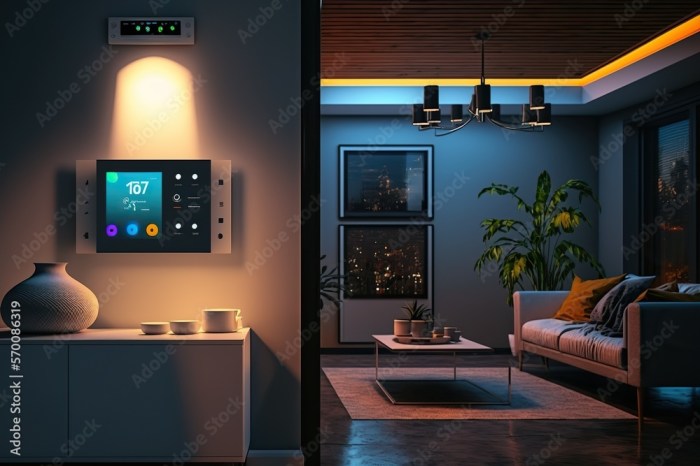
User experience and interface design are critical in smart home devices. An intuitive interface enables homeowners to interact seamlessly with their devices, leading to higher satisfaction and more effective usage. A well-designed user experience can simplify complex functionalities, making technology accessible to everyone, regardless of their technical expertise.User feedback significantly influences the design and functionality of smart home technologies. Companies often incorporate consumer insights to enhance usability, ensuring that devices meet the real-world needs of users.
This iterative process leads to improvements that make smart home systems more responsive and user-friendly.Examples of intuitive smart home systems can be seen in leading brands that prioritize user experience. For instance, smart home platforms that provide centralized control for multiple devices through a single app enhance usability. Similarly, devices with voice activation allow users to perform tasks hands-free, creating a more natural interaction with technology.
Future Trends in Smart Home Technology
Three anticipated trends in smart home technology over the next decade are the integration of artificial intelligence, increased automation, and enhanced sustainability features. As AI technology advances, smart home devices are expected to become even more intuitive, learning user preferences and adapting to their behaviors automatically.Automation will play a crucial role in future smart homes. Homeowners will increasingly rely on systems that anticipate their needs—such as automatically adjusting lighting based on the time of day or managing energy usage during peak hours to maximize efficiency.
Sustainability will also become a focal point, with smart home technologies designed to minimize environmental impact. This includes the development of energy-efficient systems that utilize renewable resources and smart devices that monitor environmental metrics, helping homeowners make informed decisions that contribute to sustainability.As consumer needs evolve, the demand for smart home technology will adapt accordingly. Homeowners are seeking solutions that not only enhance convenience but also promote energy efficiency and sustainability, reflecting a growing awareness of environmental issues.
Smart Home Integration with Health and Wellness
Smart home technology contributes significantly to health and wellness, offering solutions that promote a healthier lifestyle. By integrating health-focused devices, homeowners can monitor their well-being and create environments conducive to good health.Devices such as smart air purifiers can improve indoor air quality, reducing allergens and pollutants. Similarly, smart sleep monitors can track sleep patterns and provide recommendations for better rest, ultimately enhancing overall health.
Other devices can monitor fitness levels and encourage physical activity by providing feedback and motivation.The potential benefits of integrating health-focused features into smart home systems are vast. By fostering a healthier environment, homeowners can reduce the risk of illness and improve their quality of life. The ability to monitor health metrics in real-time can also empower individuals to take proactive steps toward better health management.
Challenges and Limitations of Smart Home Adoption
Widespread adoption of smart homes faces several common challenges. Technological barriers, such as compatibility issues among devices and lack of standardization, can hinder homeowners from fully embracing smart technology. Additionally, financial barriers may arise, as the initial investment for smart home devices can be significant.Consumer concerns regarding privacy and data security represent another challenge. Many homeowners are hesitant to adopt smart home technology due to fears about personal data being compromised or misused.
As devices collect and transmit data, ensuring robust security measures is essential to gain user trust.While smart homes offer numerous advantages, addressing these challenges will be crucial for promoting broader acceptance and ensuring that homeowners feel secure in their investment in smart technology.
Closing Notes: Smart Homes
In conclusion, Smart Homes are not just a trend; they represent a significant shift in how we interact with our living spaces. As technology continues to advance, the benefits of smarter homes will only increase, providing enhanced security, energy efficiency, and improved health and wellness. Embrace the future of living with Smart Homes, where innovation meets comfort and convenience.
Find out further about the benefits of How to engage customers with interactive electronic promotions that can provide significant benefits.
Obtain access to Townhouses to private resources that are additional.
Finish your research with information from Video Thumbnail Maker.