Fresh Fruits and Vegetables take center stage in our daily lives, delivering a colorful array of flavors, nutrients, and health benefits that elevate our well-being. Packed with essential vitamins and minerals, these natural wonders not only contribute to a balanced diet but also play a crucial role in preventing chronic diseases. Each bite of fresh produce is an opportunity to nurture your body and mind, providing energy and vitality.
From the crunch of a crisp apple to the vibrant hues of leafy greens, fresh fruits and vegetables are nutritional powerhouses. They offer a treasure trove of antioxidants, fiber, and phytonutrients that combat inflammation and promote a healthy heart. Embracing seasonal and local produce not only enhances the taste of your meals but also supports sustainability, making a positive impact on the environment.
Let’s explore the delicious ways fresh fruits and vegetables can transform your culinary experience while keeping your health in check!
Fresh Fruits and Vegetables: The Cornerstone of Health
Fresh fruits and vegetables are essential components of a balanced diet that significantly contribute to overall health. They provide a wealth of nutrients that our bodies need to function optimally. Incorporating a variety of fresh produce into our meals can lead to numerous health benefits, including improved digestion, strengthened immune function, and reduced risk of chronic diseases.A plethora of vitamins and minerals can be found in various fruits and vegetables.
For instance, citrus fruits like oranges and lemons are loaded with vitamin C, which supports the immune system and promotes collagen production. Dark leafy greens, such as spinach and kale, are rich in vitamin K, vital for bone health and proper blood clotting. Meanwhile, fruits like bananas and avocados are excellent sources of potassium, which helps regulate blood pressure and maintain heart health.
Furthermore, the fiber found in apples and carrots aids in digestion and can help manage weight by promoting a feeling of fullness.Fresh produce is instrumental in preventing chronic diseases. Diets high in fruits and vegetables are associated with a lower risk of heart disease, stroke, and certain cancers. The antioxidants found in berries and tomatoes combat oxidative stress, which can lead to chronic inflammation and disease.
By consuming a rainbow of fruits and vegetables, we not only nourish our bodies but also empower ourselves to maintain optimal health and well-being.
The Importance of Seasonal and Local Produce for Sustainability
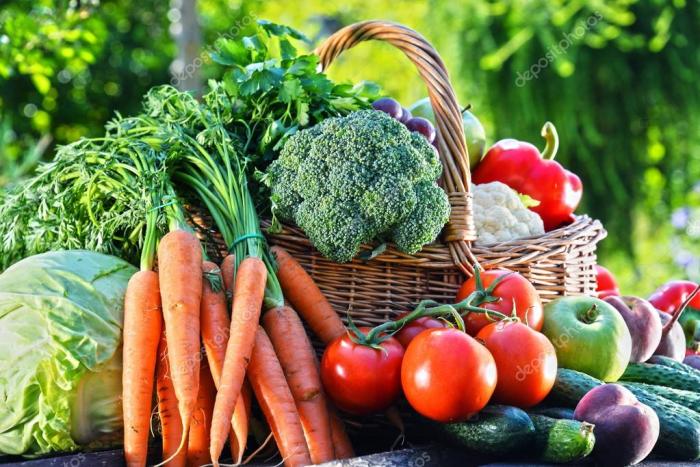
Choosing seasonal and local fruits and vegetables is paramount for sustainability and environmental health. Seasonal produce is harvested at the peak of its freshness, which means it is often more flavorful and nutritious. Additionally, consuming fruits and vegetables that are in season reduces the reliance on energy-intensive agricultural practices and transportation, ultimately lowering our carbon footprint.Sourcing local produce offers a myriad of environmental benefits.
When you buy from local farmers, you are supporting sustainable farming practices that prioritize soil health and biodiversity. Moreover, local fruits and vegetables do not require long-distance transportation, which reduces greenhouse gas emissions. This connection to local agriculture fosters community resilience and strengthens the local economy.To support local farmers, consider visiting farmers’ markets, which provide a platform for local growers to sell their produce directly to consumers.
Engaging with community-supported agriculture (CSA) programs is another excellent way to access fresh, seasonal produce while directly supporting local farming initiatives. These programs typically involve purchasing a share of the anticipated harvest, ensuring a steady supply of fresh fruits and vegetables throughout the growing season.
The Role of Fresh Fruits and Vegetables in Enhancing Culinary Experiences
Fresh fruits and vegetables play a pivotal role in enhancing culinary experiences, bringing vibrant flavors and textures to dishes. Utilizing fresh produce not only elevates the taste of meals but also makes them visually appealing. The natural sweetness of fresh fruits can brighten up savory dishes, while the crunchiness of fresh vegetables can add an exciting contrast to various textures in cooking.For example, a simple summer salad with ripe tomatoes, cucumbers, and basil drizzled with olive oil is a testament to how fresh produce can transform a dish.
Similarly, grilled vegetables like bell peppers, zucchinis, and asparagus can create a colorful and delicious side that complements any main course. Incorporating fresh fruits into desserts, such as mango sorbet or berry tarts, showcases their natural sweetness and enhances the overall culinary experience.To make the most of fresh produce, consider these cooking techniques that best showcase their flavors:
- Roasting: Enhances the sweetness of vegetables and creates a caramelized texture.
- Grilling: Adds a smoky flavor and char to fruits and vegetables.
- Stir-frying: Quick cooking method that preserves the crunch and color of fresh produce.
- Blanching: Brightens the color and retains the nutrients of leafy greens.
- Raw: Using fresh fruits and vegetables in salads or smoothies preserves all their nutrients.
The Impact of Agricultural Practices on the Quality of Fresh Fruits and Vegetables
The quality of fresh fruits and vegetables is significantly influenced by agricultural practices. Different farming methods, including organic, conventional, and biodynamic, each have distinct effects on the nutritional value and safety of produce. Organic farming, which avoids synthetic pesticides and fertilizers, often yields fruits and vegetables with higher antioxidant levels and fewer pesticide residues. In contrast, conventional farming practices may prioritize yield over quality, potentially compromising nutritional content.Research has shown that organic produce can contain higher levels of certain vitamins and minerals, making it a preferable choice for health-conscious consumers.
On the other hand, concerns regarding pesticide residues in conventionally grown produce have led to increased consumer demand for organic options, driven by the desire for safer and healthier food choices.
| Pesticide | Effects on Produce Quality | Alternatives |
|---|---|---|
| Glyphosate | May reduce nutritional value and affect soil health | Organic herbicides, crop rotation |
| Chlorpyrifos | Linked to nervous system issues, can leave residues | Integrated pest management, biological control |
| Neonicotinoids | Harmful to pollinators, can affect ecosystem | Plant diversity, organic insecticides |
The Significance of Proper Storage Techniques for Fresh Fruits and Vegetables
Proper storage techniques are crucial for maximizing the freshness and longevity of fruits and vegetables. Each type of produce comes with its own set of storage requirements to maintain optimal quality. For example, leafy greens should be kept in a breathable container in the refrigerator to prevent wilting, while root vegetables thrive in a cool, dark place.Common mistakes in storing produce can lead to premature spoilage and nutrient loss.
One frequent error is washing fruits and vegetables before storing them, which can introduce moisture that promotes mold growth. Additionally, storing ethylene-producing fruits like apples alongside ethylene-sensitive vegetables can accelerate the spoilage of the latter.To help you store your fresh produce effectively, consider these storage tips based on different types of produce:
- Leafy greens: Store in a breathable container with a damp paper towel to keep moisture levels balanced.
- Root vegetables: Keep in a cool, dark place, ideally in a perforated bag or basket.
- Berries: Store in the refrigerator and wash just before consumption to prevent mold.
- Citrus fruits: Keep at room temperature or in the fridge, away from moist environments.
- Tomatoes: Store at room temperature to preserve flavor and texture, away from direct sunlight.
The Economic Benefits of Incorporating Fresh Fruits and Vegetables into Meal Planning
Incorporating fresh fruits and vegetables into meal planning offers numerous economic advantages. Planning meals around seasonal produce can significantly reduce grocery bills, as these items are often less expensive when in season. By focusing on fresh produce, families can create nutritious meals without breaking the bank.Utilizing produce in versatile ways helps minimize waste and save money. For instance, leftover vegetables can be repurposed into soups, stir-fries, or frittatas, ensuring that nothing goes to waste.
Additionally, freezing excess fruits and vegetables for later use is a smart way to take advantage of seasonal abundance while avoiding spoilage.To illustrate cost-effective seasonal fruits and vegetables for each month, consider the following chart:
| Month | Seasonal Fruits | Seasonal Vegetables |
|---|---|---|
| January | Oranges, Grapefruits | Carrots, Kale |
| February | Pineapples, Apples | Beets, Cabbage |
| March | Strawberries, Avocados | Sautéed Greens, Radishes |
| April | Cherries, Rhubarb | Asparagus, Spinach |
| May | Peaches, Apricots | Peas, Lettuce |
| June | Blueberries, Raspberries | Zucchini, Cucumber |
The Educational Aspect of Fresh Fruits and Vegetables for Children
Educating children about the benefits of fresh fruits and vegetables is vital for instilling lifelong healthy eating habits. When children understand the nutritional advantages of produce, they are more likely to make healthier food choices. Engaging them in conversations about where their food comes from and its impact on their bodies fosters a sense of appreciation and responsibility toward their meal choices.Involving children in cooking activities can make learning about fresh produce fun and interactive.
Simple recipes that allow kids to wash, chop, and mix various fruits and vegetables can spark their interest in healthy eating. For example, creating colorful fruit salads or veggie wraps encourages creativity while highlighting the importance of including fresh produce in their diets.The long-term advantages of instilling healthy eating habits in children cannot be overstated. Research shows that children who regularly consume fruits and vegetables are more likely to maintain these habits as adults, leading to better health outcomes and reduced risk of chronic diseases later in life.
The Growing Trend of Urban Gardening and Its Relevance to Fresh Produce
Urban gardening is gaining popularity as a means to promote access to fresh fruits and vegetables, particularly in densely populated areas. These gardens not only provide fresh produce, but they also enhance community well-being by fostering social connections and promoting environmental stewardship. Urban gardening initiatives can help alleviate food deserts by providing local access to nutritious foods.Starting a small-scale garden at home can be a rewarding venture, even in limited spaces.
Container gardening allows individuals to grow fruits and vegetables on balconies or patios, making it accessible for those with minimal outdoor space. Incorporating vertical gardens or window boxes can further maximize space while still producing a satisfying harvest.For those considering urban gardening, here’s a list of easy-to-grow fruits and vegetables suitable for urban environments:
- Tomatoes: Thrives in pots and offers a bountiful harvest.
- Herbs: Basil, parsley, and cilantro can all be grown in small containers.
- Radishes: Fast-growing and perfect for small spaces.
- Peppers: Compact varieties can flourish in pots.
- Lettuce: Grows quickly and can be harvested multiple times.
Closing Summary
In conclusion, the world of Fresh Fruits and Vegetables is brimming with possibilities that transcend the plate, fostering health, joy, and sustainability. By integrating these vibrant ingredients into your meals, you not only indulge in delightful flavors but also contribute to a healthier lifestyle and community. So, dive into the bounty of fresh produce, embrace local flavors, and elevate your culinary journey while nourishing your body with every bite!
Discover the crucial elements that make Farm Land Property the top choice.
Get the entire information you require about Retail Store Property on this page.
Examine how Senior Living Property can boost performance in your area.