Home Wind Turbine opens the door to a sustainable future, where clean energy meets everyday living. Imagine harnessing the power of the wind right from your backyard, transforming kinetic energy into electricity that fuels your home. With advanced technology and design, these turbines are not just efficient; they are integral to achieving energy independence and reducing your carbon footprint.
From understanding how these innovative devices operate to exploring their benefits and installation processes, you’ll discover the impact home wind turbines can make in your life. With various models and mounting options available, there’s a perfect solution for every homeowner looking to embrace renewable energy.
The Basic Principles of Home Wind Turbines
Home wind turbines harness the power of wind to produce clean, renewable energy. These compact systems enable homeowners to generate electricity, reduce dependency on the grid, and lower energy costs. Understanding the fundamental principles of how these devices operate is key to appreciating their benefits and functionalities.Home wind turbines operate by converting the kinetic energy of wind into mechanical energy, which is then transformed into electrical energy.
The primary mechanism at work is the rotor, which captures wind flow and begins to spin. This rotational motion is transferred through a series of components designed to optimize energy conversion and ensure efficient operation.
Components of a Home Wind Turbine
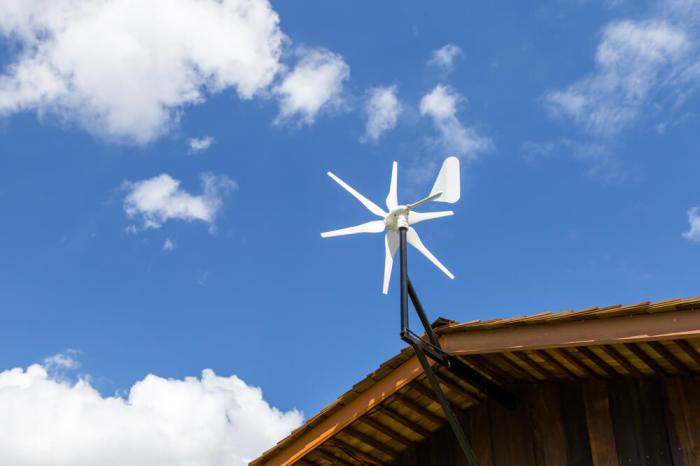
A typical home wind turbine consists of several essential components, each playing a crucial role in energy generation. Understanding these parts helps to appreciate how wind energy is effectively converted into usable electricity.
- Rotor Blades: These are the most visible parts of the turbine, designed to catch the wind. The shape and length influence how much wind energy can be captured.
- Hub: The blades are attached to the hub, which is pivotal in transferring the rotational energy to the generator.
- Generator: This component converts mechanical energy from the rotor into electrical energy through electromagnetic induction.
- Tail Fin: Found in many turbines, it helps orient the rotor towards the wind direction for optimal efficiency.
- Tower: The structure that supports the rotor and other components, elevating them to capture stronger winds at higher altitudes.
- Controller: This regulates the turbine’s operation, managing power output and ensuring safety by shutting down the turbine during high wind speeds.
Types of Wind Turbines
Wind turbines are primarily classified into two types based on their design: horizontal-axis and vertical-axis turbines. Each type has distinct characteristics suitable for various applications.
- Horizontal-Axis Turbines: The most common type, featuring blades mounted on a horizontal rotor. They are efficient and effective in areas with consistent wind flow, usually preferred for larger installations.
- Vertical-Axis Turbines: These turbines have blades that rotate around a vertical axis, making them less sensitive to wind direction. They are often chosen for urban settings where wind flow can be unpredictable due to surrounding buildings.
The choice between horizontal-axis and vertical-axis wind turbines is influenced by specific site conditions and energy needs. Horizontal-axis turbines typically offer higher efficiency and are better suited for open areas with strong, consistent winds, while vertical-axis turbines provide versatility and ease of maintenance in confined spaces.
The Advantages of Installing a Home Wind Turbine
Installing a home wind turbine is not just a decision for the environmentally conscious; it’s a strategic investment for the future. Wind energy represents a clean, renewable resource that has multiple benefits for homeowners, ranging from ecological advantages to significant financial savings. This technology empowers individuals to harness the natural winds in their area, transforming them into clean energy that contributes to both personal and global goals.
Environmental Benefits of Wind Energy
Wind energy is a sustainable alternative to fossil fuels, reducing greenhouse gas emissions and minimizing the carbon footprint of residential energy consumption. By generating electricity from wind, homeowners can significantly decrease their reliance on coal and natural gas, which contribute to air pollution and climate change. The key environmental advantages include:
- Reduction in carbon emissions: Using a home wind turbine can lower household carbon emissions by up to 80%, contributing to global efforts to combat climate change.
- Preservation of natural resources: Wind energy is abundant and inexhaustible, allowing homeowners to tap into a resource that doesn’t deplete over time.
- Minimized water usage: Unlike traditional power generation methods, wind turbines use virtually no water, preserving local water supplies and reducing the impact on local aquatic ecosystems.
Financial Savings on Energy Bills
One of the most immediate and tangible benefits of installing a home wind turbine is the potential for substantial savings on energy bills. By generating your own electricity, you can significantly reduce dependency on grid energy, leading to lower monthly costs. The financial advantages include:
- Lower electricity bills: Homeowners can save between 50% to 90% on their monthly energy costs, depending on the size of the turbine and local wind conditions.
- Government incentives: Many regions offer tax credits, rebates, or grants for renewable energy installations, making the initial investment more affordable.
- Increase in home value: Properties equipped with renewable energy systems, including wind turbines, often have higher market values due to the growing demand for sustainable living solutions.
Energy Independence with Home Wind Turbines
Installing a home wind turbine facilitates energy independence, allowing homeowners to produce their own electricity and lessen their reliance on external energy sources. This independence can have far-reaching implications for both personal finances and national energy security. The primary aspects of energy independence include:
- Stability against energy price fluctuations: By generating your own power, homeowners can shield themselves from volatile energy prices, ensuring stable energy costs over time.
- Resilience during outages: Home wind turbines can provide backup power during grid failures, ensuring that essential services remain operational even in emergencies.
- Contributing to local energy resilience: By utilizing renewable sources, homeowners not only enhance their energy security but also contribute to a more stable local grid, reducing the chances of widespread outages.
Factors to Consider Before Purchasing a Home Wind Turbine
Investing in a home wind turbine is an exciting step towards renewable energy independence. However, several crucial factors must be taken into account to ensure that your investment is both effective and compliant with local regulations. Understanding these aspects can help you make an informed decision and maximize the benefits of your wind energy system.
Check How to measure ROI on electronic promo initiatives to inspect complete evaluations and testimonials from users.
Geographic and Climatic Factors
The effectiveness of a home wind turbine is greatly influenced by the geographic and climatic conditions of your location. Key factors to consider include:
- Wind Speed: Optimal wind speeds for residential turbines typically range between 10 to 25 miles per hour. Areas with consistent winds are ideal for installation.
- Terrain: Open spaces such as hills or fields can enhance wind flow, while obstructions like tall buildings or trees can hinder performance.
- Climate: Regions that experience extreme weather conditions, such as heavy storms or ice, may require turbines designed for harsh environments to ensure durability.
Understanding these factors will help you gauge the potential energy production and efficiency of your wind turbine system.
Check what professionals state about Latest innovations in electronic consumer products and its benefits for the industry.
Zoning Laws and Regulations, Home Wind Turbine
Before purchasing a home wind turbine, it’s essential to investigate local zoning laws and regulations that may impact your installation. Homeowners should consider the following:
- Permitting Requirements: Many areas require permits for installing wind turbines; it’s vital to check with local authorities.
- Height Restrictions: Local regulations might limit the height of wind turbines, which can affect their efficiency.
- Neighborhood Covenants: Some neighborhoods enforce specific guidelines regarding the installation of renewable energy systems.
Being aware of these regulations will help avoid legal issues and ensure a smooth installation process.
You also will receive the benefits of visiting How to target audience for electronic promo efforts today.
Property Suitability Checklist
To determine whether your property is suitable for a wind turbine installation, use the following checklist:
- Is your property located in an area with consistent wind speeds of at least 10 mph?
- Are there any obstructions within a 500-foot radius that could block wind flow?
- Have you verified local zoning laws and obtained necessary permits?
- Is there sufficient space to accommodate the wind turbine and its components?
- Are there any neighborhood restrictions or homeowner association rules that may limit installation?
Completing this checklist provides a comprehensive assessment of the viability of installing a home wind turbine on your property.
The Installation Process for Home Wind Turbines
Installing a home wind turbine is an exciting venture that allows homeowners to harness renewable energy and reduce their electricity bills. The installation process, while manageable, requires careful planning, appropriate permits, and an understanding of the necessary tools and materials. This guide provides a comprehensive overview of what you need to know to successfully install a home wind turbine.
Step-by-Step Installation Guide
The installation of a home wind turbine involves several crucial steps. Below is a structured guide detailing each step, including the necessary permits and considerations.
- Determine Your Location: Assess your property for wind exposure and check local zoning laws.
- Obtain Necessary Permits: Contact local authorities to secure permits for installation, ensuring compliance with regulations.
- Choose the Right Turbine: Select a turbine model that suits your energy needs and site conditions.
- Prepare the Installation Site: Clear the area and set up the foundation, ensuring it is stable and secure.
- Assemble the Turbine: Follow the manufacturer’s instructions to assemble the turbine components.
- Install the Tower: Erect the tower using the appropriate tools and techniques to ensure it is firmly positioned.
- Connect the Electrical System: Safely wire the turbine to your home’s electrical system, ensuring proper grounding and safety measures.
- Conduct a Final Inspection: Verify all connections, stability, and compliance with local codes before commissioning the turbine.
Tools and Materials Required for Installation
Having the right tools and materials is essential for a successful installation. Below is a summary table listing the necessary items.
| Tools | Materials |
|---|---|
| Wrenches | Wind turbine kit |
| Screwdrivers | Foundation materials (concrete, rebar) |
| Drill | Electrical wiring |
| Level | Grounding system |
| Ladder | Tower components |
Professional vs. DIY Installation Options
Choosing between professional installation and a DIY approach depends on your skills, budget, and comfort level with electrical systems.
Professional installation ensures safety and compliance with local regulations, while DIY can save costs but requires expertise.
Professional installation typically offers the following advantages:
- Expertise in installation and compliance with local codes.
- Guaranteed safety and quality assurance.
- Time-saving, as professionals can complete the project more quickly.
However, it also has disadvantages:
- Higher costs due to labor and service fees.
- Less personal involvement in the project.
DIY installation offers its own set of pros:
- Cost savings on labor.
- Greater control over the installation process.
- Opportunity to learn about renewable energy systems.
The cons of DIY include:
- Potential for safety risks if not experienced.
- Time-consuming, especially if issues arise.
- Possible regulatory compliance issues without expert knowledge.
Maintenance and Troubleshooting for Home Wind Turbines
Maintaining a home wind turbine is essential for maximizing its efficiency and ensuring a long operational life. Routine care not only helps in maintaining energy production but also identifies potential issues before they escalate into significant problems. Here, we delve into necessary maintenance tasks, common troubleshooting strategies, and a practical maintenance schedule that homeowners can follow.
Routine Maintenance Tasks
Regular maintenance is crucial for keeping your home wind turbine in optimal condition. The following tasks should be performed to ensure smooth operation:
- Visual Inspection: Conduct a thorough visual check of the turbine at least once a month to identify any loose connections, damaged components, or signs of wear and tear.
- Lubrication: Lubricate moving parts such as bearings and gearboxes according to the manufacturer’s recommendations to prevent friction and ensure smooth operation.
- Cleaning: Keep the turbine blades clean to maximize efficiency. Remove any dirt, debris, or bird droppings that may accumulate, as they can hinder performance.
- Electrical Connections: Inspect electrical connections for corrosion or fraying. Clean any corrosion and secure loose connections to prevent electrical failures.
- Battery Maintenance: If your system includes batteries, check their fluid levels and connections regularly, ensuring they are charged and functioning properly.
Common Problems and Resolutions
Home wind turbines can encounter several issues that may disrupt their functionality. Being aware of these problems allows for quicker resolution:
- Insufficient Power Generation: This may be due to low wind speeds or debris on the blades. Ensure the turbine is installed in an optimal location and regularly clean the blades to maintain efficiency.
- Noisy Operation: Unusual sounds can indicate loose components or mechanical issues. Conduct a visual inspection and tighten any loose parts. If noise persists, consult a technician.
- Vibration Issues: Excessive vibration can cause wear and tear. Check for balance in the blades and ensure all bolts are secure. If the problem continues, consider professional evaluation.
- Battery Overcharging: Overcharging can lead to battery degradation. Use a charge controller to monitor and manage battery charging levels effectively.
Maintenance Schedule
To extend the life of your home wind turbine, adhering to a maintenance schedule is beneficial. This ensures that all necessary tasks are performed consistently:
| Frequency | Maintenance Task |
|---|---|
| Monthly | Visual inspection and cleaning of blades. |
| Quarterly | Lubrication of moving parts and electrical connection checks. |
| Bi-Annually | Thorough inspection of all components, including batteries. |
| Annually | Professional assessment and servicing of the turbine system. |
Routine maintenance not only enhances performance but also ensures the longevity of your home wind turbine.
Real-World Case Studies of Home Wind Turbine Implementation
The integration of home wind turbines has become an increasingly viable option for homeowners looking to reduce their energy costs and carbon footprints. By harnessing the power of wind, these individuals have successfully transformed their homes into sustainable energy systems. Several case studies illustrate the diverse experiences of homeowners who have adopted this technology, showcasing both the challenges encountered and the innovative solutions they employed.One of the most compelling aspects of these case studies is the variety of wind turbine models utilized.
Each homeowner’s unique circumstances, including location, budget, and energy needs, influenced their choice of turbine. The following examples highlight specific implementations, the obstacles faced during installation and operation, and the measures taken to ensure successful outcomes.
Case Study: The Johnson Family in Colorado
The Johnson family, residing in a windy region of Colorado, decided to install a 5 kW horizontal-axis wind turbine to meet their energy needs. Initially, they faced challenges with zoning regulations and local permitting processes, which delayed their project by several months. However, by actively engaging with local authorities and presenting the environmental benefits of their project, they successfully navigated the bureaucracy.The Johnsons chose the Windspire model due to its compact design and aesthetic appeal.
Once installed, they experienced significant energy savings, allowing them to offset up to 60% of their electricity consumption. They reported a 40% reduction in their utility bills within the first year of operation, demonstrating the effectiveness of home wind turbines when combined with an appropriate energy management system.
Case Study: The Parkers in Texas
In Texas, the Parker family installed a Skystream 3.7 wind turbine to take advantage of the region’s high wind speeds. Despite being enthusiastic about the renewable energy potential, they encountered issues with turbine noise and vibration during the initial months. To address these concerns, they consulted with the manufacturer and adjusted the installation to ensure it was mounted on a sturdy structure, effectively minimizing vibrations and noise levels.The Parkers were able to generate enough energy to cover 80% of their electric usage, leading to substantial savings.
Their feedback emphasized the importance of choosing the right installation site, with open areas yielding the best results.
Case Study: The Smiths in New York
The Smith family opted for a 10 kW Bergey Excel turbine for their home in rural New York. Their primary challenge was the upfront cost of installation, which required them to secure financing through various local grants and incentives for renewable energy projects. They collaborated with renewable energy consultants to maximize their funding options and minimize out-of-pocket expenses.Post-installation, the Smiths encountered issues with icy conditions affecting turbine performance during winter.
They addressed this by incorporating a de-icing system, allowing the turbine to operate efficiently year-round. Their investment has proven worthwhile, as they have achieved energy independence and significantly reduced their reliance on fossil fuels.
Model Comparisons in Case Studies
The variety of wind turbine models used in these case studies illustrates the importance of matching technology with specific site conditions and homeowner needs.
| Model | Output (kW) | Key Features | Challenges Faced |
|---|---|---|---|
| Windspire | 1.2 | Vertical-axis, quiet operation | Permitting delays |
| Skystream 3.7 | 2.4 | Horizontal-axis, compact design | Noise and vibration issues |
| Bergey Excel | 10 | Durable, suited for low-wind areas | High initial cost, ice management |
These case studies highlight that while challenges are inevitable, the strategic approach to installation and operation can lead to successful integration of home wind turbines into existing energy systems. Homeowners not only achieve energy savings but also contribute positively to environmental sustainability.
Future Trends in Home Wind Energy Technology
The landscape of home wind energy technology is continuously evolving, driven by innovation, policy shifts, and the pressing need for sustainable energy solutions. As homeowners seek more efficient and cost-effective means of harnessing wind energy, several emerging trends are setting the stage for a new era in home wind turbines. This segment explores these advancements, the significance of supportive policies, and the future of energy storage solutions.
Emerging Technologies Enhancing Efficiency
Innovations in design and materials are paving the way for enhanced efficiency in home wind turbines. These advancements focus on maximizing energy capture while minimizing costs and environmental footprint. Key technologies include:
- Vertical Axis Wind Turbines (VAWTs): These turbines are gaining popularity due to their ability to capture wind from any direction, making them suitable for urban environments where wind patterns are unpredictable.
- High-Performance Materials: The utilization of lightweight and durable materials such as carbon fiber is transforming turbine blades, allowing for longer spans that can capture more wind energy with reduced wear and tear.
- Smart Technology Integration: IoT-enabled turbines provide real-time data to users, allowing for optimized performance monitoring and maintenance, which boosts overall energy efficiency.
The Role of Policy and Innovation
Government policies and incentives play a crucial role in the adoption and promotion of home wind energy solutions. As countries pivot towards sustainable energy, supportive legislation can greatly influence market growth. Effective initiatives include:
- Tax Credits and Subsidies: Financial incentives for homeowners investing in wind energy installations can significantly lower the initial cost barriers.
- Renewable Energy Standards: Policies mandating the use of renewable energy sources propel both residential and commercial sectors to adopt wind technology.
- Research and Development Funding: Government and private sector funding for R&D initiatives can drive innovation, leading to more efficient and affordable wind energy solutions.
Future Developments in Battery Storage Options
As wind energy generation is inherently variable, advancements in battery storage technology are essential for ensuring reliable power supply. The future of battery storage is promising, with several trends emerging:
- Solid-State Batteries: These batteries offer higher energy densities and safety compared to traditional lithium-ion batteries, making them ideal for storing wind energy effectively.
- Grid-Scale Storage Solutions: Large-scale battery installations are becoming more viable, enabling homeowners to store excess energy for use during low-wind periods.
- Energy Management Systems: Smart energy management solutions that integrate with home wind turbines can optimize when to store energy and when to draw from the grid, maximizing efficiency and reducing costs.
“By harnessing advanced technology and supportive policies, the future of home wind energy is not just sustainable, but also incredibly efficient and accessible.”
Final Conclusion
In summary, Home Wind Turbine technology represents not just a commitment to green energy but a smart financial investment for the future. As trends evolve and innovations emerge, the possibilities for enhancing your home’s energy efficiency continue to grow. Whether you’re considering installation or simply curious about the technology, it’s clear that home wind turbines are paving the way for a cleaner, more sustainable world.